OpenAI Plans to Call Its Data Centers AI Compute Campuses After the US Midterms
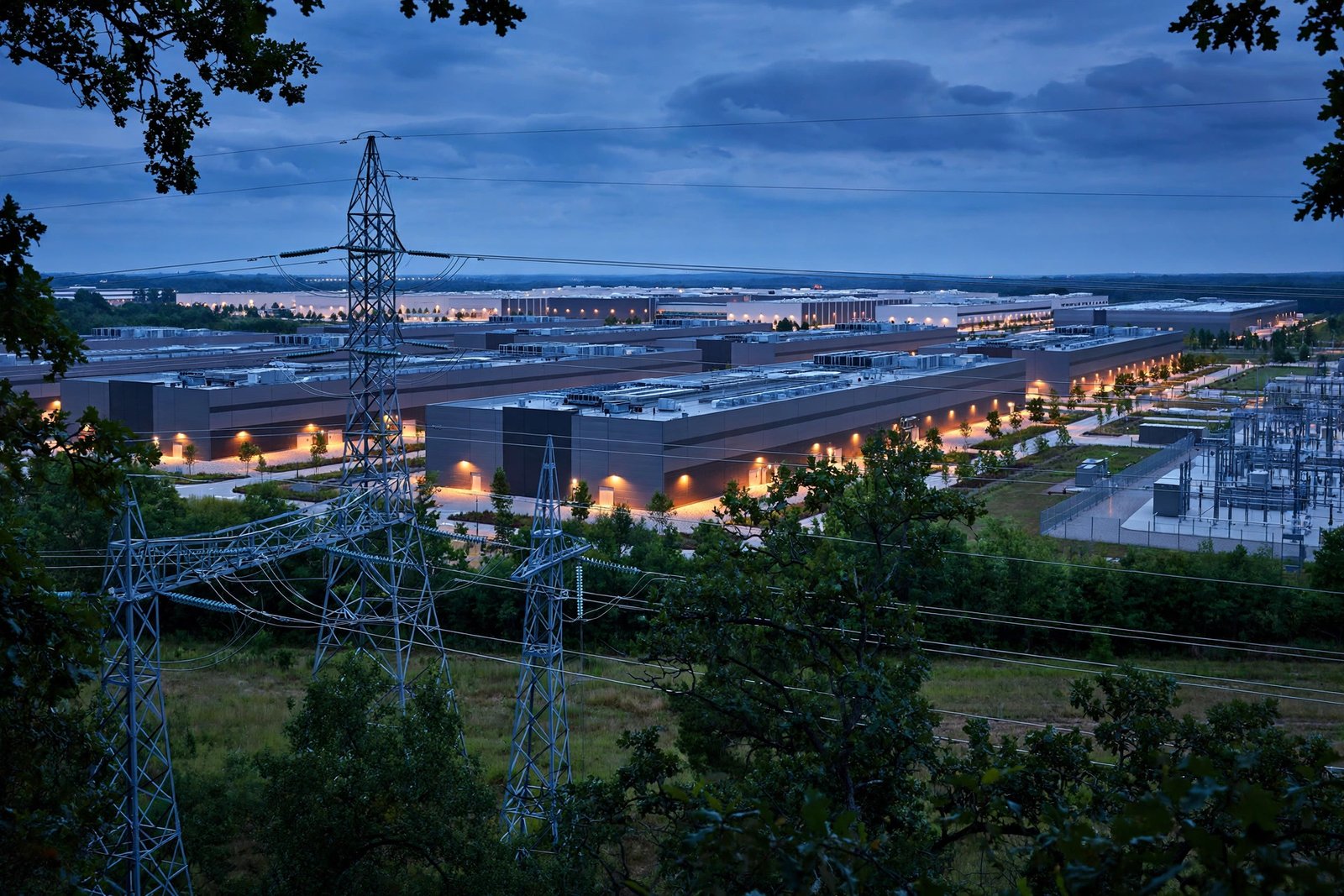
OpenAI is reportedly getting ready for a new round of public argument about artificial intelligence, and one of its first moves may be a change of name. According to Axios, reporting published on November 1, the company plans to start calling its data centers "AI compute campuses" after the US midterm elections on Tuesday. The idea, as described in that reporting, is that these sites are more than warehouses full of servers. They are, in OpenAI's telling, places that can reshape a local economy.
For now, that is a reported plan, not an official announcement. OpenAI has not published a formal definition of an "AI compute campus," and the phrase has not yet appeared as a settled company label for its sites. Still, the timing and the surrounding proposals tell a clear story. OpenAI wants to get ahead of a debate that is already running in town halls, state legislatures, and Congress: who benefits when a giant AI facility moves in next door, and who pays the costs.
What was reported
The Axios report, picked up by TechCrunch on the same day, describes a campaign that OpenAI plans to launch the morning after the midterms. At the center of it is a new name for data centers. The company argues that a modern AI site is not just a building with racks of computers. It can bring construction work, long term jobs, tax revenue, and new infrastructure to a host community. A different name, in that argument, signals a different kind of project.
The rebrand is only one part of a wider set of proposals. OpenAI also plans to push for mandatory safeguards for the most powerful AI systems, which it is calling "speed limits." It is also working on a worker disruption agenda, meant to address jobs changed by AI, and on a push for a US led role in setting global AI standards. On data centers in particular, the company plans to offer community compacts and to propose state legislation that would give residents a meaningful say in how projects are built and what benefits they receive.
Chris Lehane, OpenAI's chief global affairs officer, has been assembling these proposals since August, according to Axios. He told the outlet that the midterms will be "a bit of a movie trailer for what you're going to see in 2028," when he expects AI to be the defining issue of the presidential election. He called Tuesday "an electoral portal from one era to the next," and said the choice for a company in OpenAI's position is whether to "chase the moment, or seek to inform the moment via the power of ideas."
Why the timing matters
The campaign is timed for the lame duck session of Congress, which opens on November 9 and runs until new members are sworn in on January 3. That window matters because it is often when unfinished business gets a final push, and when companies and advocacy groups try to shape the agenda for the next Congress. OpenAI appears to want its proposals on the table before that debate hardens into fixed positions.
What a community compact could mean
OpenAI points to Pike County, Ohio, as its model project. According to Axios, OpenAI will lease the site for 20 years from SoftBank's SB Energy, with Nvidia guaranteeing part of the lease. The project promises thousands of jobs, and OpenAI presents it as proof that a large site can transform a community rather than simply draw on its resources.
Why critics are skeptical
Whatever the label, the physical reality of a data center does not change with a rebrand. A renamed building draws the same power, uses the same water, and makes the same noise. Critics of the plan have already made that point, and even sympathetic coverage notes that no single project has yet been shown to change how it is built or powered because of the new name.
The backlash against data centers has been bipartisan, driven by electricity costs, water use, and noise. In some communities, residents have complained that they learn about a project only after key decisions are made, or that tax breaks go to the company while local bills rise. Amazon and Microsoft have already said they will stop using non disclosure agreements in negotiations with local governments over data center deals, a sign that the pressure for openness is growing across the industry.
Lehane described that debate as "good and healthy," saying communities should hold companies accountable so they get a transformative benefit from hosting these projects. That is a welcome sentiment, but it will be tested by specifics. How much power will a site use at full load? How much water will it need for cooling? What happens if the promised jobs do not arrive, or if the site is sold to another operator? A name cannot answer those questions. A published agreement, with clear terms and a way to enforce them, could.
What to watch next
The first test will be simple: does OpenAI actually start using the phrase "AI compute campus" in public materials for new sites, and does it publish the text of its proposed safeguards and community compacts? A slogan without documents will be easy to dismiss. A detailed proposal, with numbers and commitments, will be harder to ignore.





Post Comment