IBM and NCSC Bring Free Cyber and AI Courses to UK Schools
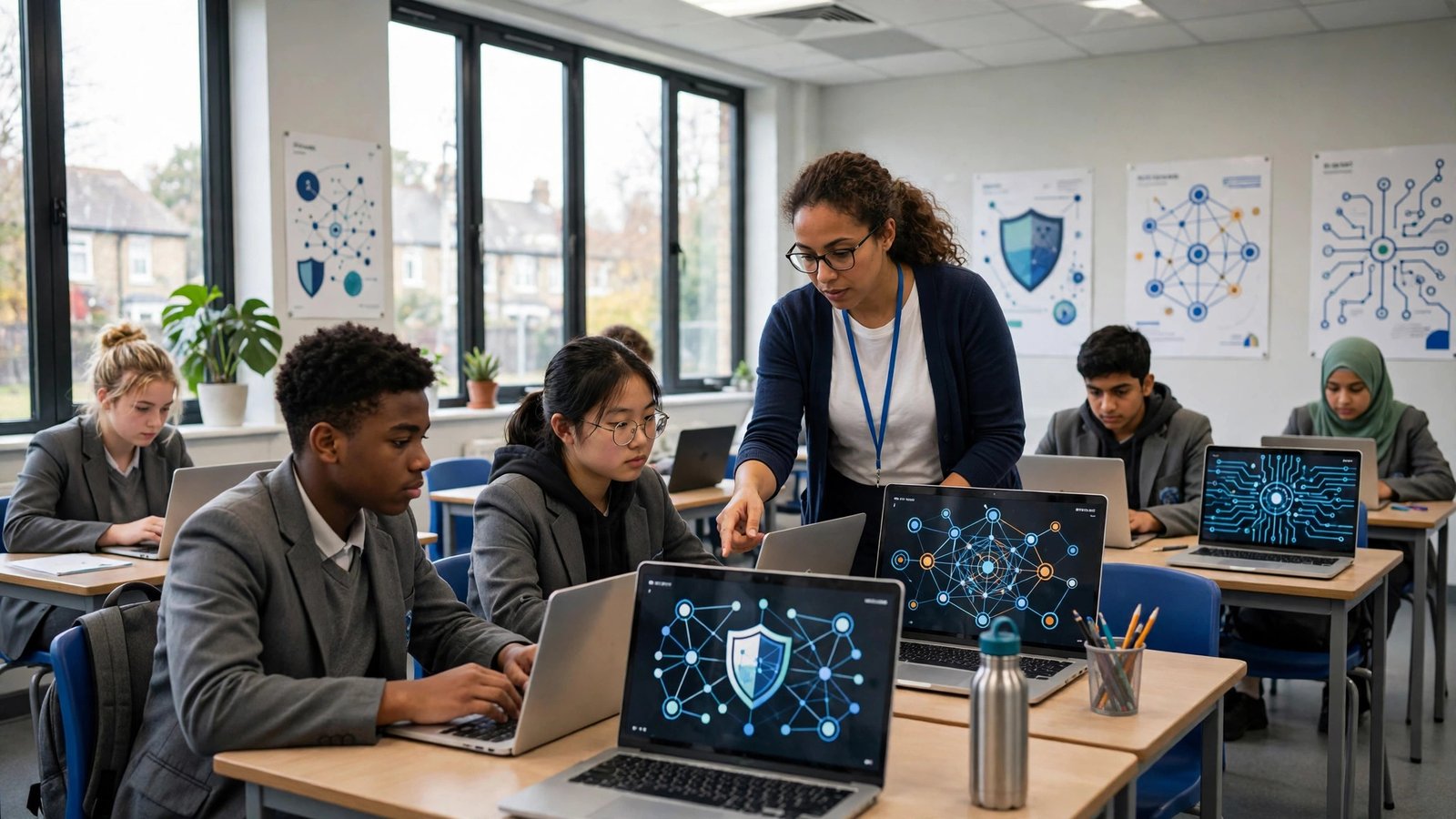
IBM and the National Cyber Security Centre have announced a new partnership to bring free cyber security, AI and digital education to secondary schools across the UK. The collaboration puts the NCSC’s CyberFirst courses onto IBM SkillsBuild, IBM’s free learning platform, giving pupils and teachers one place to find trusted courses, credentials and interactive modules. A new CyberFirst Futures course launches in November, and the programme will focus on supporting the most disadvantaged schools first.
The announcement, made on 11 November, comes as the UK government pushes to build a much larger pipeline of cyber and AI talent. With artificial intelligence changing how attacks work, schools are now seen as the starting point for the workforce the country will need.
What the partnership will deliver
Through the collaboration, courses previously curated through the NCSC’s CyberFirst programme are now exclusively available on IBM SkillsBuild. Students and teachers get a single destination for thousands of courses, credentials and interactive learning modules, covering topics that include artificial intelligence, cloud computing and cyber security.
IBM SkillsBuild is free to use. It is aimed at learners of all ages and backgrounds, and it offers industry-recognised digital credentials that pupils can earn as they complete courses. For schools, the practical benefit is simple: instead of hunting across several sites for trusted material, teachers can point a whole class at one platform and know the content has been created or curated by the NCSC.
IBM says SkillsBuild and related programmes have already reached more than 22 million learners around the world.
A new CyberFirst Futures course
The headline addition is a new CyberFirst Futures course, launching in November. It is aimed at 15 and 16 year olds and helps them explore advanced cyber security threats to devices, apps and software, then work out ways to prevent them.
The course looks at more than the technical side of an attack. Pupils explore why attacks happen, study the behaviour of typical attackers, look at the legislation that covers cyber crime, and apply what they learn to protecting networks. It is designed as a step up from the existing CyberFirst Defenders course, which is aimed at 14 and 15 year olds and teaches them to build and protect small networks and personal devices.
Both courses are free, and both sit within the wider CyberFirst programme, which the NCSC runs to nurture young talent and help under 25s develop a passion for technology. Since the programme began in 2016, it has engaged more than 450,000 young people.
Why schools are the focus
The collaboration builds on the UK government’s AI Skills Boost commitment to upskill 10 million people with AI and digital skills. IBM is a founding partner of that commitment. It also coincides with CyberFirst joining TechFirst, the government’s flagship tech skills programme, which aims to expand the reach of technology education across the country.
Chris Ensor, Deputy Director for Cyber Growth at the NCSC, said the UK needs a strong pipeline of cyber talent, and that bringing CyberFirst content to IBM SkillsBuild expands access to trusted cyber education for students and teachers across the country.
Leon Butler, Chief Executive of IBM UK and Ireland, said AI is changing the threat landscape and expanding the national need for cyber security expertise. He said the partnership is about opening doors to careers in technology and making sure everyone, including those from disadvantaged backgrounds, has the chance to upskill in the UK.
The emphasis on disadvantaged schools is deliberate. Cyber skills courses have often reached pupils in well resourced schools first, while others have missed out. By making the material free and putting it on a single digital platform, the partnership aims to reach young people from all backgrounds, including those underrepresented in the sector.
The first TechFirst Girls Competition
To mark the collaboration, the UK government has launched the first ever TechFirst Girls Competition in collaboration with IBM. The competition is designed to help young people develop AI, cyber and coding skills while building their confidence and experience for a future career in technology.
Girls remain underrepresented in cyber security and in technology careers more widely. Competitions like this one are a practical way to give pupils a first taste of the subject outside the classroom. Details of how schools can enter are being shared through the TechFirst programme.
How pupils and teachers can take part
Pupils and teachers can access the courses through IBM SkillsBuild, where the NCSC’s CyberFirst material now sits alongside the platform’s wider catalogue. The courses are self-paced and free, so a teacher can use them as part of a lesson, as homework, or as an extra activity for pupils who want to go further.
For pupils, the CyberFirst Defenders course is a good starting point at 14 or 15, covering how to build and protect small networks and personal devices. The new CyberFirst Futures course then takes 15 and 16 year olds deeper, into the motivations behind attacks and the ways to defend against them.
Teachers do not need to be cyber security experts to use the material. The courses are designed to be followed step by step, and the credentials pupils earn give them something concrete to show for their work.
What this means for the UK cyber workforce
The UK has talked about a cyber skills gap for years, and the demand for people who understand both security and AI is only growing. Attacks are getting more automated, and the tools defenders use are changing just as fast. That makes early education more important, not less: the pupils starting a CyberFirst course this year are the analysts, engineers and researchers of the next decade.
Frequently Asked Questions
Are the IBM and NCSC cyber courses really free?
Yes. The NCSC’s CyberFirst courses are free, and they are now hosted on IBM SkillsBuild, which is IBM’s free technology education platform. Pupils and teachers can access the courses, credentials and learning modules without paying.
Who can take the new CyberFirst Futures course?
The course is aimed at 15 and 16 year olds. It explores advanced cyber security threats to devices, apps and software, including the motivations behind attacks and the legislation that covers them. It follows on from the CyberFirst Defenders course for 14 and 15 year olds.
Do pupils need coding experience to start?
No. The CyberFirst courses are designed for beginners and build up step by step. Pupils do not need prior coding experience, and teachers do not need to be cyber security experts to use the material in class.





Post Comment