Judge Lets NAACP Lawsuit Over xAI Gas Turbines Proceed in Mississippi
A federal judge in Mississippi has refused to end a lawsuit over the gas turbines that power one of the largest artificial intelligence data centers in the United States. The ruling, issued on October 30, 2026, means the case brought by the NAACP against the company formerly known as xAI will move forward, even though the court has not yet decided whether the company broke the law.
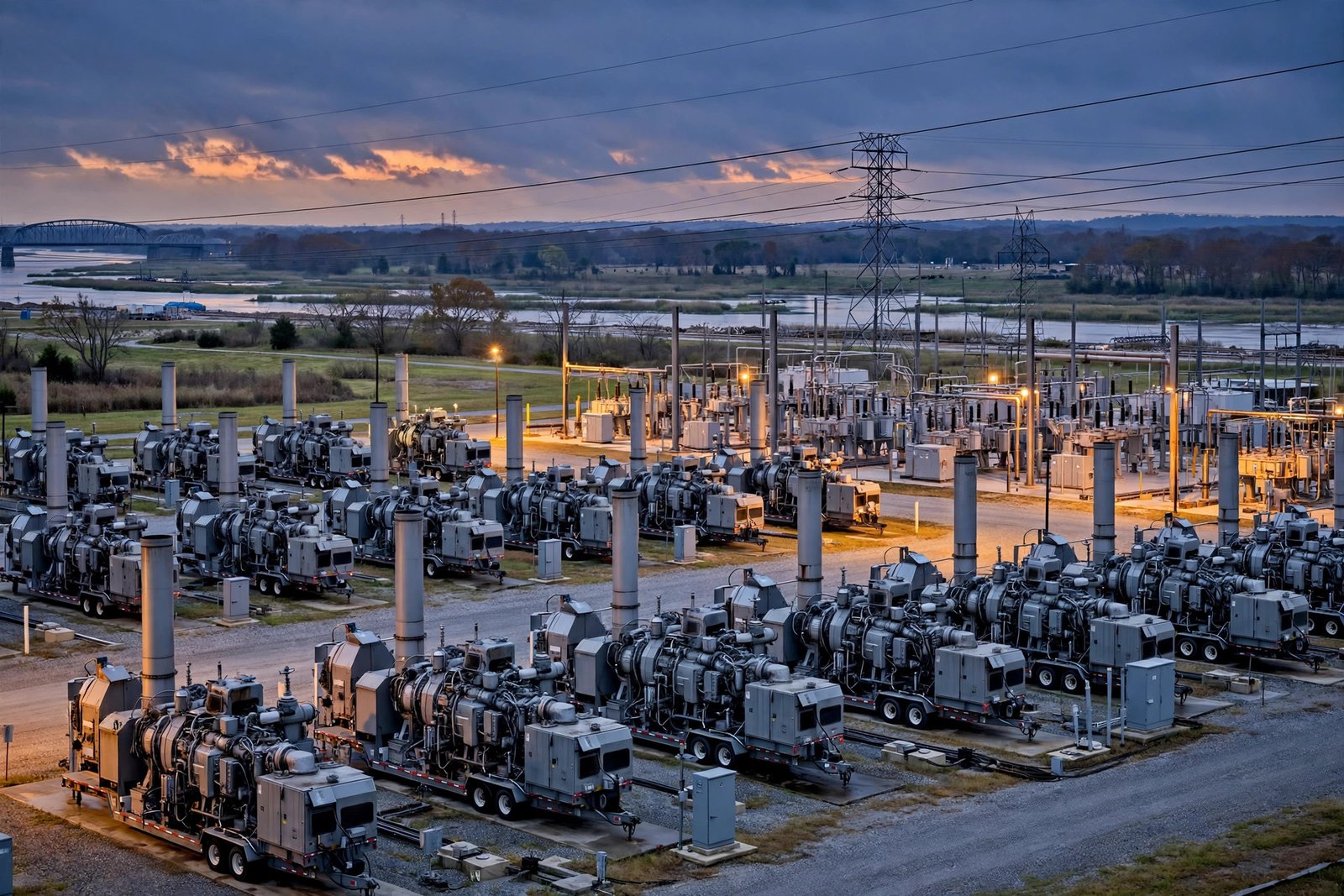
The case centers on a gas turbine plant in Southaven, Mississippi, just across the state line from Memphis, Tennessee. According to the complaint, the plant supplies power to Colossus 2, an AI data center in the Memphis area. The NAACP alleges that the company installed and ran dozens of turbines without the air permits required under the Clean Air Act and Mississippi rules. The company, now operating under the name SpaceXAI after xAI was folded into SpaceX earlier in 2026, had asked the court to throw the case out. Judge Debra M. Brown of the United States District Court for the Northern District of Mississippi declined to do so.
What the judge actually decided
The company raised three main arguments, and the judge rejected all three. First, it argued that the turbines were mobile sources, and therefore exempt from the permits that a fixed power plant needs. Second, it argued that the NAACP lacked standing to bring the case on behalf of its members. Third, it argued that the Clean Air Act citizen suit provision, which lets private groups sue to enforce the law, unconstitutionally hands executive power to private parties.
On the mobile source question, the judge looked to Mississippi's federally approved clean air plan, known as a State Implementation Plan. Under that plan, a combustion turbine that is not self propelled while it operates counts as a stationary source, even if it sits on a trailer or another vehicle. The turbines at issue are large enough to fall under federal emission standards, the judge found, so they cannot be treated as mobile sources. A July 2025 letter from Mississippi's environmental regulator, which had treated the turbines as mobile and temporary, was not consistent with the state plan and therefore did not bind the court, according to the order.
On standing, the judge held that the plaintiffs have statutory standing under the Clean Air Act. On the constitutional argument, she wrote that citizen suit plaintiffs sue in their own name and seek penalties that redress harm to themselves, so they are not exercising the federal government's executive power. The closing line of that part of the order was direct: the plaintiffs' claims will proceed.
What the NAACP alleges
The lawsuit was filed in April 2026 by the NAACP and its Mississippi State Conference, represented by the Southern Environmental Law Center and Earthjustice. The complaint targets X.AI Corp. and its subsidiary MZX Tech. It alleges that the companies installed gas turbines at the Colossus Gas Plant in Southaven between August and December 2025 without the required permits to build and operate them.
Reports of the complaint put the number of turbines at 27, with a combined capacity of at least 495 megawatts. The complaint reportedly says the turbines could emit about 1,700 tons of nitrogen oxides a year, along with formaldehyde, carbon monoxide, and fine particulate matter. The NAACP is seeking a court order requiring pollution controls and civil penalties of up to 124,426 dollars per day for each violation, according to reports of the filing. Those figures come from the plaintiffs' allegations, not from findings by the court.
Why this case is being watched across the AI industry
AI data centers are among the largest new sources of electricity demand in the country. Training and running advanced models takes steady, high volume power, and companies are building campuses that can draw as much electricity as a small city. Utilities, regulators, and nearby residents are all trying to work out how that demand should be met, who pays for new grid capacity, and what happens to local air quality in the meantime.
The Mississippi case is not the only legal pressure point. About two weeks before the October 30 ruling, the same court reportedly rejected a request from the United States Department of Justice to end the case. A separate request from the NAACP for a preliminary injunction, which would seek court ordered limits on operating the turbines while the case continues, was still pending at the time of the ruling, according to reports. The court has not ruled on that request, and it has not imposed operating conditions in the dismissal decision.
What happens next
The case now moves into the next phase of litigation. The parties will exchange evidence and argue over the central factual questions, including how the turbines were installed, how long they operated, what they emitted, and what permits, if any, were required at each step. The NAACP's injunction request will also need a decision. If the court grants an injunction, it could restrict turbine operations while the case is pending. If it denies the request, the turbines could keep running while the lawsuit proceeds, subject to any other orders.
Residents near the plant and the data center will be watching both tracks. The complaint frames the issue as one of health and fairness, arguing that communities living close to large industrial power sources bear the air quality burden of infrastructure built to serve a global technology industry. The company has not been found liable, and it will have the chance to contest the allegations on the merits.
Frequently Asked Questions
Did the judge find that xAI violated the Clean Air Act?
No. The judge denied a motion to dismiss, which means the NAACP's claims can proceed. The court has not decided whether the company violated the law, and that question will be addressed in later stages of the case.
Why did the judge reject the mobile source argument?
The judge found that under Mississippi's federally approved clean air plan, a turbine that is not self propelled while operating counts as a stationary source, even when mounted on a vehicle. The turbines were also large enough to fall under federal emission standards, so they could not qualify as exempt mobile sources.
What happens next in the case?
The case moves forward to evidence and argument on the merits, including how the turbines were installed and operated and what permits were required. The NAACP's request for a preliminary injunction was still pending when the dismissal ruling was issued, and the court has not ordered the turbines to shut down.




Post Comment