“Foldable iPhone: Everything Apple Has Revealed So Far”
Samsung has sold folding phones for years. Google, Motorola, and several Chinese brands have joined in. Apple, meanwhile, has watched from the sidelines while the foldable iPhone remained the industry's worst-kept non-secret. That waiting game appears to be ending. Credible reports now point to Apple entering the foldable market, and the details emerging suggest the company waited until it could solve the problems that still plague every folding phone on sale today.
Foldable iPhone: What Reports Say
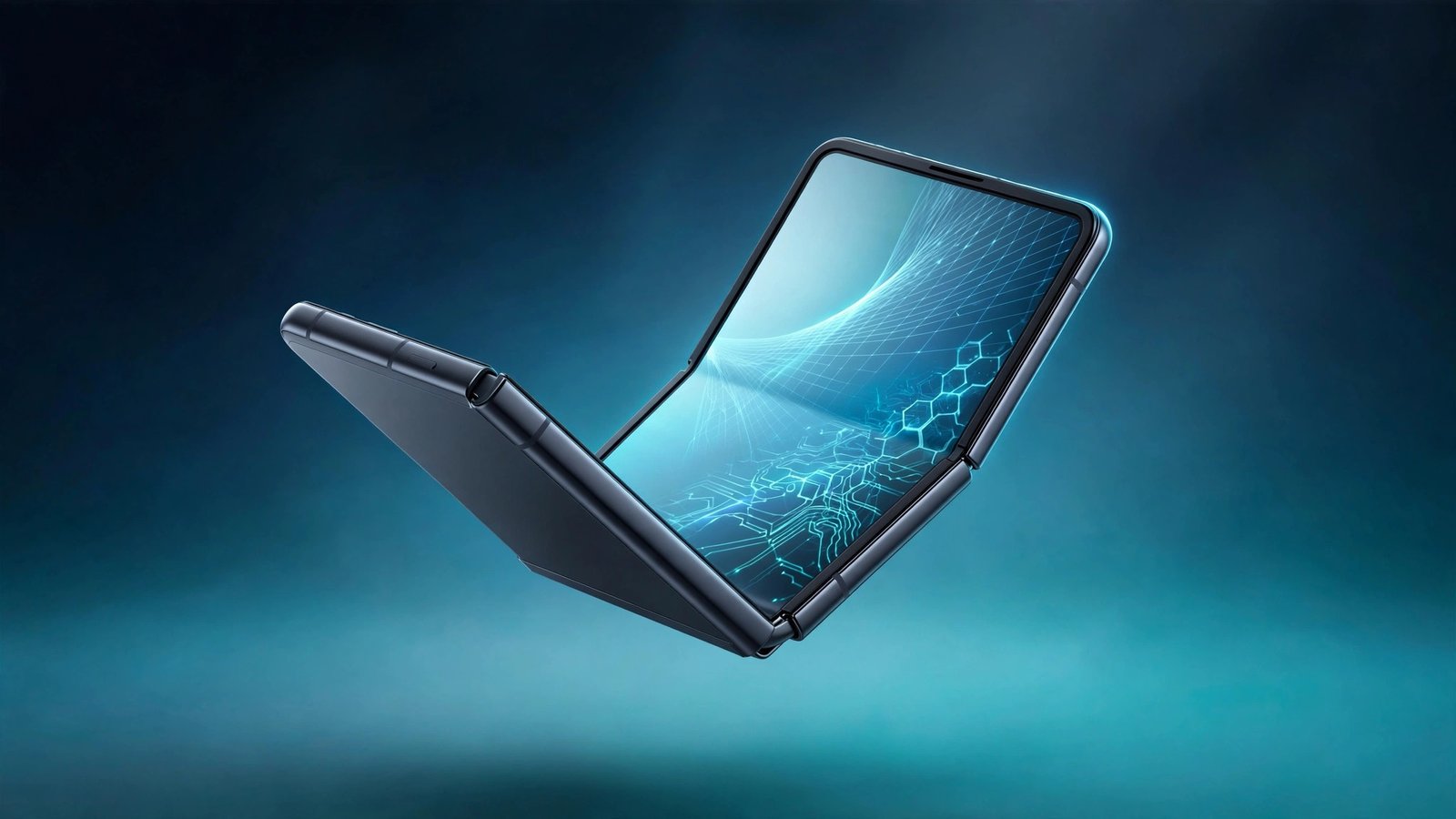
The most consistent reporting describes a book-style foldable: a phone that opens into a small tablet, similar in concept to Samsung's Galaxy Z Fold line. Multiple supply chain sources have pointed to Apple testing foldable displays for years, with recent reports suggesting the project has moved from experimentation to actual product development.
Display quality is reportedly Apple's obsession here. The visible crease where the screen folds remains the biggest complaint about every foldable on the market, and Apple is said to be unwilling to ship until the crease is essentially invisible. Whether that's achievable with current display technology is the multi-billion-dollar question.
Timing remains the murkiest part. Analysts have floated various windows, but Apple hasn't confirmed anything, and foldable timelines have slipped before. Treat any specific date as educated guesswork, not fact. What seems solid is the direction: Apple is going foldable, and it's a matter of when, not if.
Why Apple Waited This Long
It's tempting to read Apple's delay as caution, and partly it is. But there's a strategic logic too. Early foldables were fragile, expensive, and compromised. Screens scratched, hinges collected dust, and software felt bolted on. Apple watched competitors educate the market and absorb the early failures.
The company also had less to gain from rushing. Foldables remain a small slice of the phone market, and Apple's standard iPhones print money. There was no competitive emergency forcing Apple's hand, so it could afford to wait for the technology to mature.
Now the calculation may be shifting. Foldable displays are tougher, hinges are more reliable, and the category is growing. If Apple can enter with a crease-free screen and software that treats folding as native rather than novel, it gets to look like the company that finally did foldables right. That's a very Apple move.
What the Foldable iPhone Might Cost
Let's be blunt: it won't be cheap. Samsung's Galaxy Z Fold starts around $1,800, and Apple rarely undercuts Samsung on premium hardware. A foldable iPhone would likely start near or above $2,000, making it the most expensive iPhone ever by a wide margin.
That pricing tells you who it's for at launch: early adopters, Apple loyalists with deep pockets, and professionals who want a tablet that fits in a pocket. This is a halo product first and a mainstream phone later, if ever.
The interesting question is whether Apple can push the category downmarket over time. The original iPhone was expensive too. But foldable components, especially the display, remain costly to manufacture at scale. Don't expect a $999 foldable iPhone anytime soon.
How Samsung and Google Set the Stage
Credit where it's due: Samsung spent years making foldables respectable. The early Galaxy Fold was fragile enough to become a punchline, but each generation got thinner, tougher, and more practical. Today's folding phones survive dust, water, and daily pocket life. That progress is exactly what makes Apple's entry plausible now rather than five years ago.
Google's Pixel Fold took a different approach, prioritizing camera quality and clean software. Its lesson for Apple: the software matters as much as the hinge. A folding phone lives or dies on whether apps gracefully adapt when the screen doubles in size, and Android's large-screen work gave the category a real foundation.
Apple's advantage is entering a mature market with mature expectations. It doesn't need to convince anyone that folding phones are a good idea. It just needs to convince iPhone owners that its version is the one worth switching for. That's a much easier sell, and Apple knows it.
Should You Wait for It?
If you're intrigued by foldables right now, waiting for Apple means waiting an unknown amount of time for an unknown price. Samsung's current foldables are genuinely good devices, thinner and more durable than the early generations. The "wait for Apple" advice only makes sense if you're deeply tied to iOS and can't imagine switching.
There's also the first-generation risk. Apple's first attempt at any new form factor will have rough edges, and at a likely $2,000 price, those rough edges will sting. The savviest move may be letting early adopters beta-test the foldable iPhone while you enjoy a discounted standard model.
Our view: the foldable iPhone is real, it's coming, and it will be expensive. Everything else is still rumor. Anyone telling you they know the exact specs or date is selling certainty they don't have.
Has Apple confirmed the foldable iPhone?
No. Apple has never officially acknowledged a foldable iPhone. Everything known comes from supply chain reports, analyst notes, and patent filings. Apple typically confirms new product categories only at the launch event itself.
How much will the foldable iPhone cost?
No official pricing exists, but based on competitor pricing and Apple's premium positioning, expect a starting price around $2,000 or higher. Foldable displays remain expensive to manufacture, which keeps prices well above standard flagships.
When will the foldable iPhone be released?
Apple hasn't announced a date, and reported timelines have shifted multiple times. Most credible reports point to a launch window that's still being finalized. Until Apple sends event invitations, treat every date as speculation.