WHSmith Rolls Out AI Headsets Across More Than 300 UK Stores After Trial Sales Jump
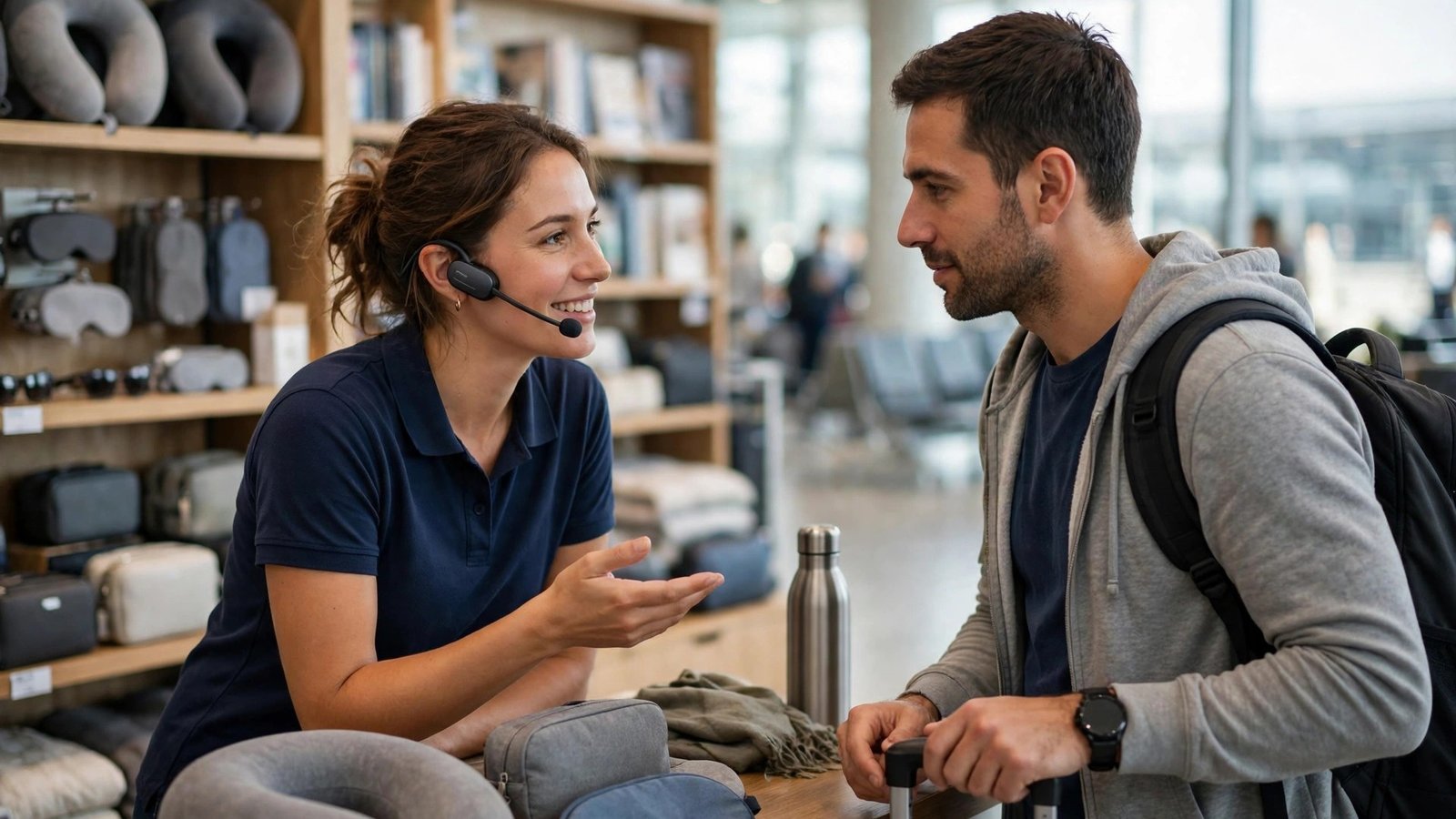
WHSmith is putting AI headsets on shop floors across Britain. The retailer is rolling out the x-hoppers communications platform to more than 300 UK stores after a trial at its Manchester Piccadilly station shop, where sales rose by up to 22% in key categories. The first store in the wider rollout is WHSmith's flagship at Heathrow Terminal 5, where the system is already live.
The move is one of the biggest uses of AI-powered staff headsets in UK retail so far. It shows how high street and travel retailers are turning to connected technology to help small teams serve busy shops, especially at airports and railway stations where passenger numbers can surge with little warning.
What x-hoppers does on the shop floor
X-hoppers is a retail communications platform from Wildix. It combines wireless headsets with a web app and an AI assistant, and WHSmith is using it to connect store teams, send alerts and updates, and route customer and delivery requests straight to the right colleague.
Instead of staff walking across a busy shop to find a manager, or shouting across the floor, a message goes directly to the headset of the person who can help. The platform also links to in-store alert systems, so teams get messages quickly without interrupting other conversations. Head office and managers can send scheduled messages and broadcasts to several stores at once.
The AI side of the platform lets teams listen to several store broadcasts and contact specific colleagues directly. Managers can also use data from the platform to track activity and support their teams, for example by spotting when a store is getting a rush of customer requests.
The Manchester Piccadilly trial
The pilot ran at WHSmith's Manchester Piccadilly travel store, one of its busiest locations. It began in late 2025 and was designed to test whether a single communications channel could cut manual work in a busy travel store. Staff used the system for customer service, daily shift handovers and store alerts.
During the trial, staff received more than 43,000 headset notifications. Those included store alerts, fridge and freezer monitoring, scheduled team messages and QR code requests from customers. Customers made almost 1,000 requests for help through QR codes placed around the store, and staff could respond at the point of need rather than waiting for someone to walk over and ask.
According to WHSmith, that faster response contributed to stronger sales in selected product categories, with an uplift of up to 22% in key lines. The company said the pilot showed what the system could do, and that it was pleased to be rolling it out more widely.
Karl Stakes, Director of Operations at WHSmith, said: "Our colleagues need to be able to help customers quickly, especially when stores are busy. x-hoppers keeps our teams connected, so customers get help faster and colleagues are never on their own. The pilot showed what it can do, and we're pleased to be rolling it out."
The rollout starts with travel stores
The expansion starts with 32 priority travel locations, and it is centred on WHSmith's travel estate. That is the part of the business that runs shops in airports, railway stations and hospitals, where passenger flows and peak trading periods put the most pressure on store teams. WHSmith operates more than 1,200 stores across more than 30 countries, including more than 600 in airports.
At Heathrow, the system is also being used to link staff in smaller satellite stores with wider airside broadcasts. Teams in separate units can receive the same operational messages as the main store, so a small shop at the far end of a terminal is not cut off from what is happening elsewhere in the airport.
The deployment was built around WHSmith's existing IT systems and operating model, which the company said reduced disruption during installation.
QR codes for customers and delivery drivers
One feature that stood out in the trial was the QR code system. Customers in the store can scan a code to request help, and the request goes straight to a member of staff. The same system also lets delivery drivers contact store teams directly, which the company said helps reduce delays at drop-off points.
The platform can also be adapted for different store workflows, so a large airport store and a smaller station shop do not have to use it in exactly the same way. Scheduled messaging and multi-site broadcasts are part of the setup too, letting head office send updates to store teams at set times or across several locations at once.
Graham Dixon, chief technology officer at x-hoppers, said: "x-hoppers was built to make retail teams more connected and effective. Seeing WHSmith achieve up to +22% sales uplift in the pilot and move to a rollout across more than 300 stores shows the real, measurable value of uniting people, systems and AI on one platform."
A wider trend in UK retail
WHSmith joins a growing list of UK retailers using x-hoppers, including Holland & Barrett, Heron Foods and Tenby Stores. The platform launched in the UK, US, France and Germany in 2024, and the WHSmith deal is its largest UK rollout to date.
For WHSmith, the timing is notable. Travel retail has recovered strongly since the pandemic, with airports and stations busier than they have been in years. That growth brings more customers, but also more pressure on store teams during peak hours. A system that gets help to the right person in seconds can make a real difference to both sales and the customer experience.
Frequently Asked Questions
What is x-hoppers?
X-hoppers is a retail communications platform from Wildix. It combines wireless headsets with a web app and an AI assistant, letting store teams share alerts, messages and customer requests in real time.
How many WHSmith stores will get the system?
WHSmith is rolling out x-hoppers to more than 300 UK stores, starting with 32 priority travel locations. The first store in the rollout is its flagship at Heathrow Terminal 5, where the system is already live.
What did the Manchester Piccadilly trial achieve?
During the trial, staff received more than 43,000 headset notifications and customers made almost 1,000 requests for help through QR codes. WHSmith reported a sales uplift of up to 22% in key categories.





Post Comment