Nothing’s First AI Device Ships in December: No Screen, No App, Just AI
London startup Nothing is about to make its boldest move yet. The company behind the transparent Phone series has confirmed that its first AI-native device will ship in December 2026, and it will not have a screen.
Chief executive Carl Pei shared the news in a post on X earlier this week, calling the product a tool built with the personality and care that have come to define Nothing devices. He added two details that set the tone for everything that follows. The device has no new screen, and it could not have been an app.
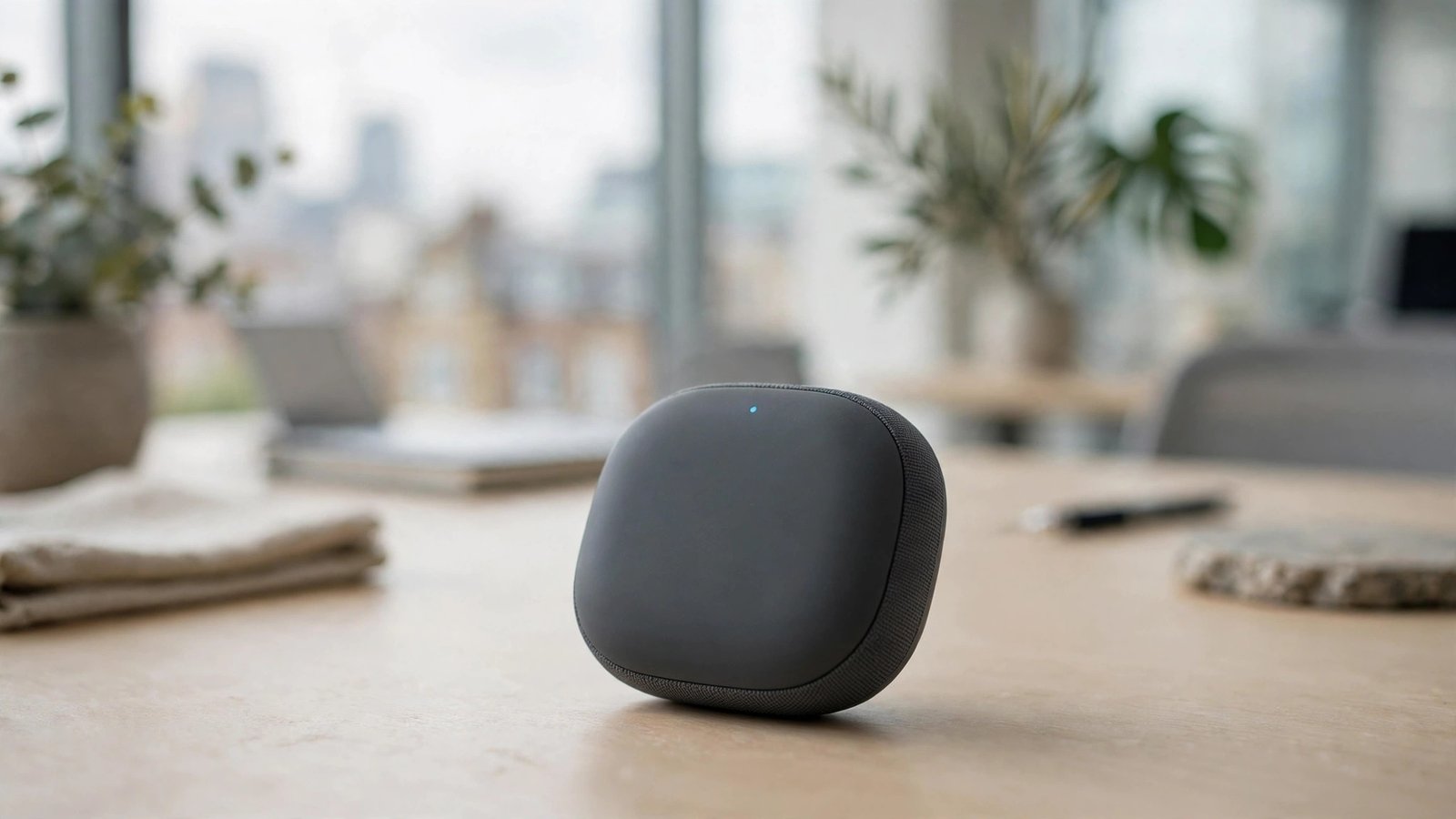
That is almost everything Nothing has said so far. There is no name, no price, no list of features and no confirmed form factor. A teaser image shows only a small portion of the device, with rounded corners and curved edges. Nothing says more information will follow closer to launch.
What Carl Pei actually confirmed
Pei's message was short, but it answered the one question that matters most. This is a standalone piece of hardware, not a software feature dressed up as a gadget. By saying it could not have been an app, Pei drew a line between this product and the wave of AI assistants that already live on our phones.
The company has described the device as AI-native, which means artificial intelligence sits at the centre of the experience rather than being added on top. Pei has talked before about building devices that put AI at the centre, and this launch looks like the first major step in that direction.
Nothing has also stressed that the product will carry the same design personality as its phones and earbuds. The company argues that its ability to build both hardware and software gives it an edge when creating new kinds of AI experiences.
A London company betting on hardware
Nothing was founded in London and built its name on phones and audio products with transparent casings and a stripped-back design language. The Phone series earned the company a loyal following among buyers who wanted something different from the usual glass slab.
Moving into AI hardware is a bigger swing. Phones are a known market with known buyers. A screenless AI device is a new category, and the history of that category is not kind to newcomers.
Nothing is not entering this space blind. In September 2025 the company secured 200 million dollars in funding, and around the same time it publicly outlined plans to launch a specialised hardware product in 2026. The December device appears to be the result of that plan.
The screenless AI graveyard
Any company launching a screenless AI gadget has to answer the same question. Why should anyone carry a second device when their phone already runs powerful AI assistants?
Humane tried with the AI Pin, a wearable that projected information onto the palm of the hand. Rabbit tried with the R1, a pocket companion with its own AI operating system. Both drew huge attention at launch and struggled badly afterwards. Reviewers found them slow, limited and hard to justify next to a phone. Humane eventually sold its assets and wound down the Pin.
Pei seems aware of this history. His insistence that the device could not have been an app reads like a direct answer to the criticism that sank earlier AI gadgets. If the product only makes sense as hardware, it has a reason to exist. If it is just a chatbot in a box, it does not.
What could it be?
Nothing has not confirmed a form factor, so speculation has filled the gap. Some reports have pointed to smart glasses, a category that has gained real momentum as Meta and others push AI eyewear. Others have suggested a wearable or a desk companion.
The teaser image gives little away. It shows a curved edge and a rounded corner, which could belong to almost anything. What it does suggest is that Nothing is keeping its familiar design language, with smooth shapes and a focus on how the object feels in the hand.
The bigger AI hardware race
Nothing is not alone in betting that AI needs its own hardware. OpenAI is reportedly working on an AI smart speaker with designer Jony Ive, and several startups are building wearables that listen, watch and respond throughout the day.
The logic is simple enough. AI models have become good enough to hold conversations, summarise information and take actions on our behalf. A device built around those abilities could be faster and more natural than opening an app and typing. The open question is whether people want that device enough to pay for it and carry it.
What to watch for next
The next clues will come from Nothing itself. The company is expected to share more details closer to the December launch, including the name, the price and what the device actually does.
Three things will decide whether this launch lands. First, the price has to make sense for a device that sits next to a phone rather than replacing it. Second, the device needs a clear job that a phone app cannot do as well. Third, it has to work reliably from day one, because early AI gadgets were judged harshly for bugs and slow responses.
Nothing has built its reputation on design and on listening to its community. This device will test whether that reputation can carry a whole new category. If Pei is right that this product could only exist as hardware, December could be the month Nothing stops being a phone company and starts being something bigger.
Frequently Asked Questions
When will Nothing's AI device launch?
Nothing says its first AI-native product will ship in December 2026. CEO Carl Pei confirmed the timing in a post on X in early November 2026. No exact date within December has been announced yet.
Does Nothing's AI device have a screen?
No. Carl Pei has confirmed the device has no screen, and he said it could not have been an app. It is a standalone piece of hardware built around AI from the start.
How much will Nothing's AI device cost?
Nothing has not announced a price. The name, specifications and pricing are all still unknown, and the company is expected to share more details closer to the December launch.





Post Comment