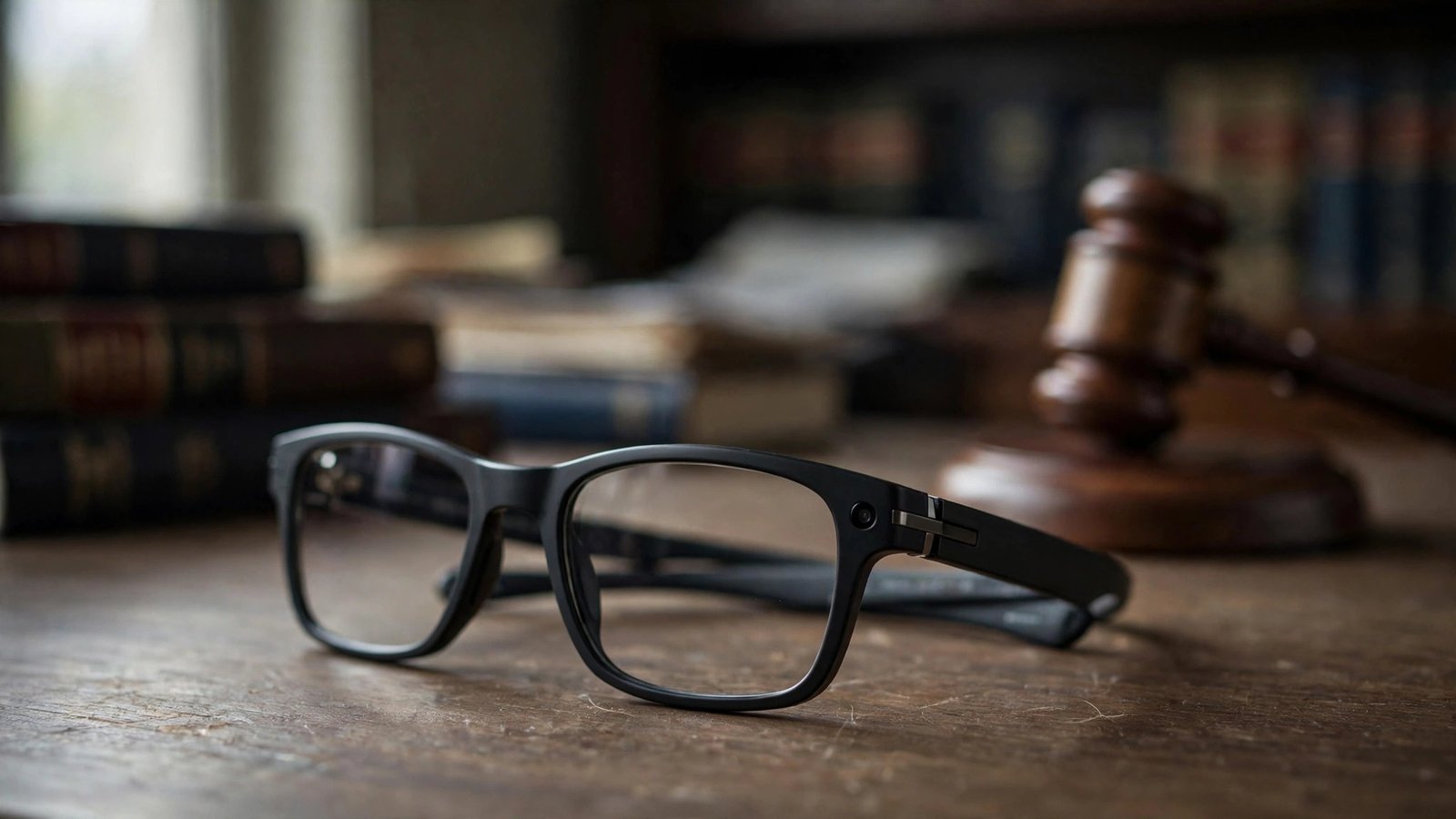
Meta’s AI Glasses Are Accused of Listening Without ‘Hey Meta’: Inside the New California Class Action
Your glasses are supposed to sit quietly on your face until you call them. Say "Hey Meta," and they wake up, take a photo, or answer a question. A new federal lawsuit filed in California argues that is not what actually happened for at least one wearer, and possibly many more.
The case, Subia v. Meta Platforms Inc., landed in the U.S. District Court for the Northern District of California on October 19. According to Bloomberg Law's report on the filing, the complaint alleges that Meta's AI-enabled glasses recorded a California man's private conversations without his knowledge or consent, even when he never said the wake phrase meant to activate the device. The plaintiff, Angelo Subia, bought his pair at a LensCrafters store, which puts the dispute squarely in the world of ordinary shoppers.
What the complaint alleges
The core claim is straightforward, and that is what makes it uncomfortable. Per the complaint, Subia's glasses captured conversations he believed were private, including sensitive discussions with doctors and financial institutions, without any wake phrase being spoken.
How did he find out? The filing says some users checked their Voice Activity Logs, where recordings appeared that they had never asked for. Others noticed the small recording indicator light activating after a firmware update, which raised the question of why a light meant to signal recording was switching on during moments nobody had initiated.
The lawsuit frames this as a violation of the California Invasion of Privacy Act, specifically its wiretapping and eavesdropping provisions. California is a two-party consent state for confidential communications, meaning recording a private conversation generally requires the consent of everyone involved. Subia is seeking to represent a class of all California residents whose conversations were recorded by the glasses without the trigger phrase, and he is asking for damages, an injunction, attorneys' fees and costs. The law firm Bursor and Fisher is representing him and the proposed class.
As of reporting, Meta had not responded immediately to a request for comment, according to Bloomberg Law. It is worth stressing what this filing is: the start of a legal fight, not its verdict. No class has been certified, no court has ruled on the central claims, and these are allegations that Meta will have the chance to contest.
Why this filing is not the same as the earlier one
If this story sounds familiar, that is because Meta's glasses were already facing legal trouble before this case. A separate, larger proposed class action has been moving through the same federal court in Northern California, and it makes different allegations.
That earlier case, amended in late August to a 230-page complaint, involves more than 70 people. The plaintiffs allege that the glasses captured intimate images, including footage of people undressing, bathing, and using the bathroom, and that this material was transmitted to contractors in Kenya who review and label data for Meta's AI systems. The filing accuses Meta of fraud, false advertising, and violations of consumer protection laws in multiple states. One named plaintiff, Steven Beltran, alleged the glasses falsely activated twice a day.
Meta has disputed those allegations and said it will fight them. A company spokesperson has said that Meta reviews data from Meta AI use to improve its products, the way many other companies do, and that it takes steps to filter that data to remove identifying information and protect privacy.
The new Subia case is narrower but potentially more pointed. Rather than focusing on where footage goes after it is captured, it challenges the moment of capture itself: the allegation that the microphones were listening and recording conversations without the one phrase that is supposed to give the device permission to do so. If the two-party consent framing holds in court, the question is no longer just about data handling pipelines overseas. It becomes about the device's fundamental behavior in everyday settings like a doctor's office or a bank.
The numbers behind the stakes
The complaint, as reported, cites a striking figure: Meta has sold more than 7 million camera-equipped pairs of the glasses in the past year. Smart glasses that look like ordinary Ray-Bans or Oakleys are moving from gadget novelty to mainstream eyewear, and each pair puts a camera and microphone at eye level in places where people have always assumed they were not being recorded.
For wearers, the practical takeaway is behavioral for now. Check your Voice Activity Logs if the glasses offer them. Keep firmware current, since the complaint ties at least some of the odd indicator-light behavior to an update. And be aware that recording indicators cut both ways: they are meant to tell people around you when the camera is on, but as this case shows, they can also tell you something is happening that you did not order.
What happens next
Class actions of this kind usually follow a long and predictable script. Expect Meta to move to narrow or dismiss the claims, expect the plaintiff to fight certification of the class, and expect discovery to pull back the curtain on how the glasses' wake-word detection actually works. Firmware behavior, wake-word sensitivity, and Voice Activity logs are all likely to become evidence. The earlier, broader case will run on its own track in parallel, since it involves different plaintiffs and different claims.
None of that is decided yet. But the next time someone sits across from you in a pair of stylish glasses, you may find yourself wondering who else is in the room. According to the new lawsuit, that is a question Meta's customers should not have had to ask.
Frequently Asked Questions
What is the Subia v. Meta lawsuit about?
It is a proposed class action filed October 19, 2026, in federal court in Northern California. It alleges that Meta's AI glasses recorded the plaintiff's private conversations even though nobody said "Hey Meta," the wake phrase meant to activate the device, in violation of California's wiretapping and eavesdropping laws.
Who could be part of the class?
The complaint seeks to represent all California residents whose conversations were recorded by the glasses without the trigger phrase. No class has been certified yet, so at this stage nothing has been decided about who is included.
Is this the same case as the earlier Meta glasses lawsuit?
No. The earlier case, amended in late August 2026, involves more than 70 plaintiffs and alleges that intimate footage captured by the glasses was sent to overseas contractors for AI training review. The new Subia filing focuses on audio conversations allegedly recorded without the wake phrase and invokes California's Invasion of Privacy Act.




Post Comment