Australian Telcos Sign Tech Reuse Charter to Give Old Devices a Second Life
Australian telecommunications companies have signed a new voluntary agreement to donate surplus digital devices so they can be refurbished and passed on to people who need them. The initiative, known as the Tech Reuse for Good Charter, aims to tackle digital exclusion by making better use of corporate hardware that would otherwise sit in storerooms or head for recycling.
The charter was signed on 27 October 2026, with the federal government, the Business Council of Australia, WorkVentures and Good Things Australia involved in the programme. Assistant Minister for Science, Technology and the Digital Economy Andrew Charlton signed on behalf of the federal government. The idea is simple: businesses regularly retire phones, laptops, tablets and other equipment that still works, and charities can put that equipment to good use after professional refurbishment.
Digital exclusion remains a real barrier in Australia. A device is often the first hurdle. Without a working phone or laptop, it is hard to apply for jobs, complete schoolwork, access government services online, or stay in touch with family. The charter formalises a process where companies donate their surplus gear instead of letting it gather dust, and specialist refurbishers prepare it for a second owner.
What the Tech Reuse for Good Charter does
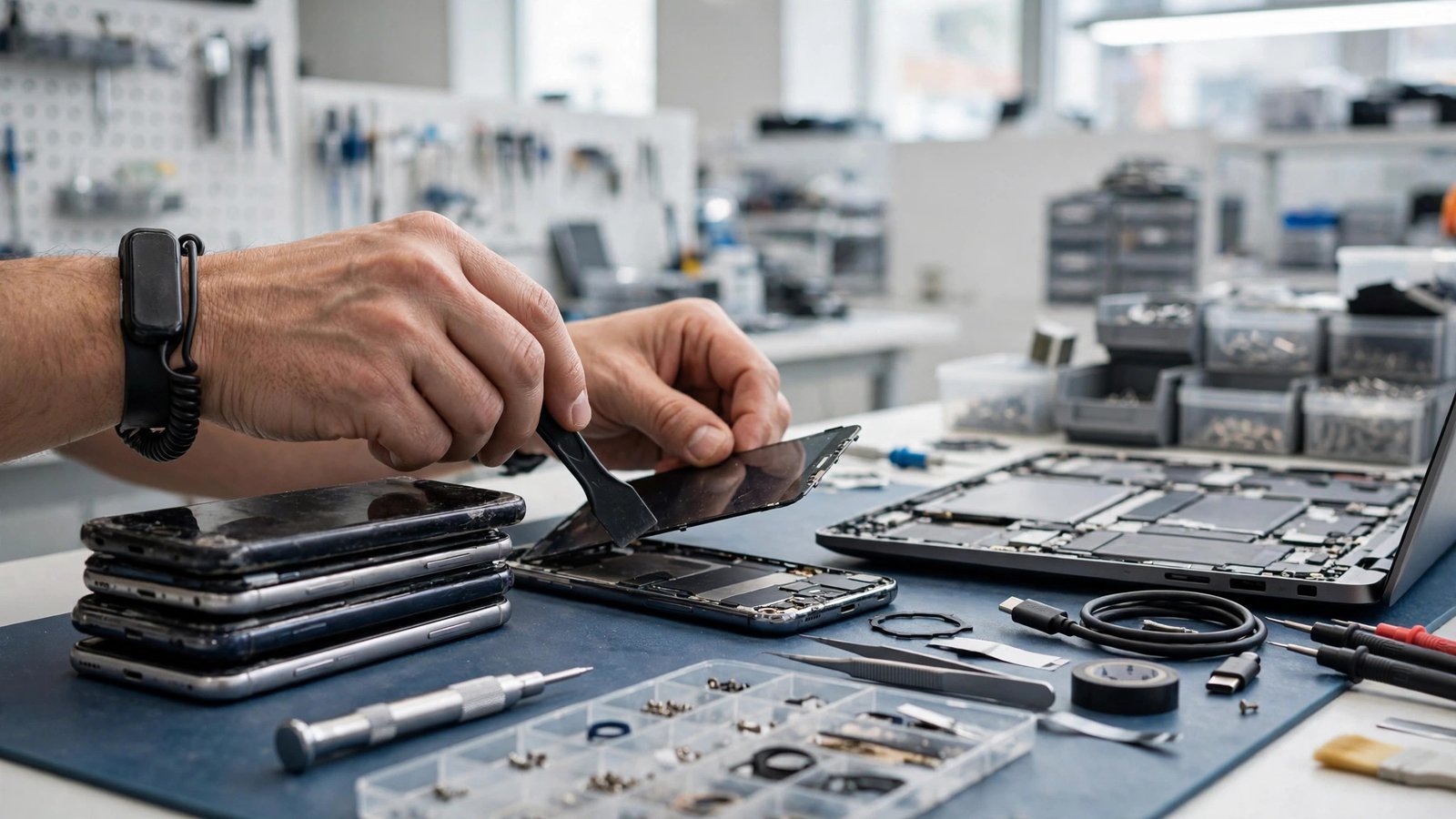
Under the charter, participating telecommunications operators agree to donate surplus digital equipment for refurbishment and redistribution. The devices are professionally wiped, tested and repaired where needed, then handed to people facing digital exclusion through community organisations.
This is a voluntary agreement, not a law. That distinction matters. Companies are choosing to take part, and the charter sets out a shared process rather than imposing fines or quotas. Supporters say that approach makes it easier for more businesses to join over time, since the commitment is practical and tied to hardware lifecycles companies already manage.
The programme sits alongside wider efforts to reduce electronic waste. Refurbishing a working device keeps it in use for longer, which delays the point where it needs to be recycled or disposed of. For households receiving a device, the benefit is immediate: a working phone or laptop can open the door to services that increasingly assume everyone is online.
Who is behind the charter
The charter brings together government, business and the community sector. The Business Council of Australia represents large employers, many of which refresh their device fleets on a regular cycle. WorkVentures is a social enterprise with long experience in refurbishing technology and supporting people into work. Good Things Australia works through a network of community organisations helping people build digital skills and confidence.
Andrew Charlton, the assistant minister who signed for the government, has spoken about digital inclusion as part of Australia's technology agenda. The charter signing follows other recent government moves in the technology space, including work on AI safety standards and online safety rules, as Canberra tries to shape how fast-moving technology affects everyday Australians.
Why old devices matter so much
New devices are expensive, and that cost alone can lock people out. A refurbished phone or laptop, provided with basic setup help, can be enough to get someone started. Community groups often pair a donated device with training, so the recipient learns how to use it safely and confidently rather than simply receiving hardware and being left to work it out alone.
Digital exclusion is not only about owning a device. Connection costs, skills and confidence all play a part. But without a device, the other pieces cannot fall into place. That is why programmes like this one focus on hardware first, then link recipients to support for connectivity and training through community partners.
How refurbishment protects privacy
One question people often ask about donated devices is what happens to the data left on them. Professional refurbishment includes secure data wiping before a device is passed on. Business donors are expected to remove their own data as part of retiring equipment, and refurbishers run their own wiping and testing process as a second safeguard.
Devices that cannot be made safe or reliable are not redistributed. They are instead directed to recycling, where valuable materials can be recovered. That triage step is part of why the charter uses professional refurbishers rather than informal handovers. A device that looks fine on the outside may have a failing battery or outdated software, and those problems need to be caught before it reaches a new owner.
Recipients should still take basic precautions with any second-hand device. Setting up the device with their own account, applying software updates straight away, and turning on screen lock and automatic updates are sensible first steps. Community organisations involved in distribution can help with that setup, which reduces the chance of a new owner starting out with an unpatched device.
What happens next
The charter is a starting point, and its impact will depend on how many companies join and how many devices actually flow through the programme. Early signs will include the number of telcos and other businesses signing up, the volume of devices donated, and whether distribution reaches regional and remote communities as well as cities.
There are practical challenges to watch. Refurbishment capacity needs to keep pace with donations, and distribution networks need to match devices to people who need them most. Connectivity costs remain a separate hurdle: a donated laptop helps little if the household cannot afford an internet plan.
For now, the message for businesses is clear: check what is sitting in the storeroom. For households and community groups, the charter is worth watching, since it could soon mean more refurbished devices reaching the people who can benefit from them most.
Frequently Asked Questions
What is the Tech Reuse for Good Charter?
It is a voluntary agreement under which Australian telecommunications operators donate surplus digital devices for professional refurbishment and redistribution to people facing digital exclusion. The charter was signed on 27 October 2026, with the federal government, the Business Council of Australia, WorkVentures and Good Things Australia involved.
Are donated devices wiped before they are passed on?
Yes, professional refurbishment includes secure data wiping and testing before redistribution. Devices that cannot be made safe or reliable are sent for recycling instead of being handed to a new owner.
Who receives the refurbished devices?
Devices are distributed through community organisations to people experiencing digital exclusion, often alongside help with setup and digital skills. The aim is to give recipients a working device plus the support to use it confidently.





Post Comment