Australia Plans to Keep New AI Data Centres Out of Its Suburbs, Reports Say
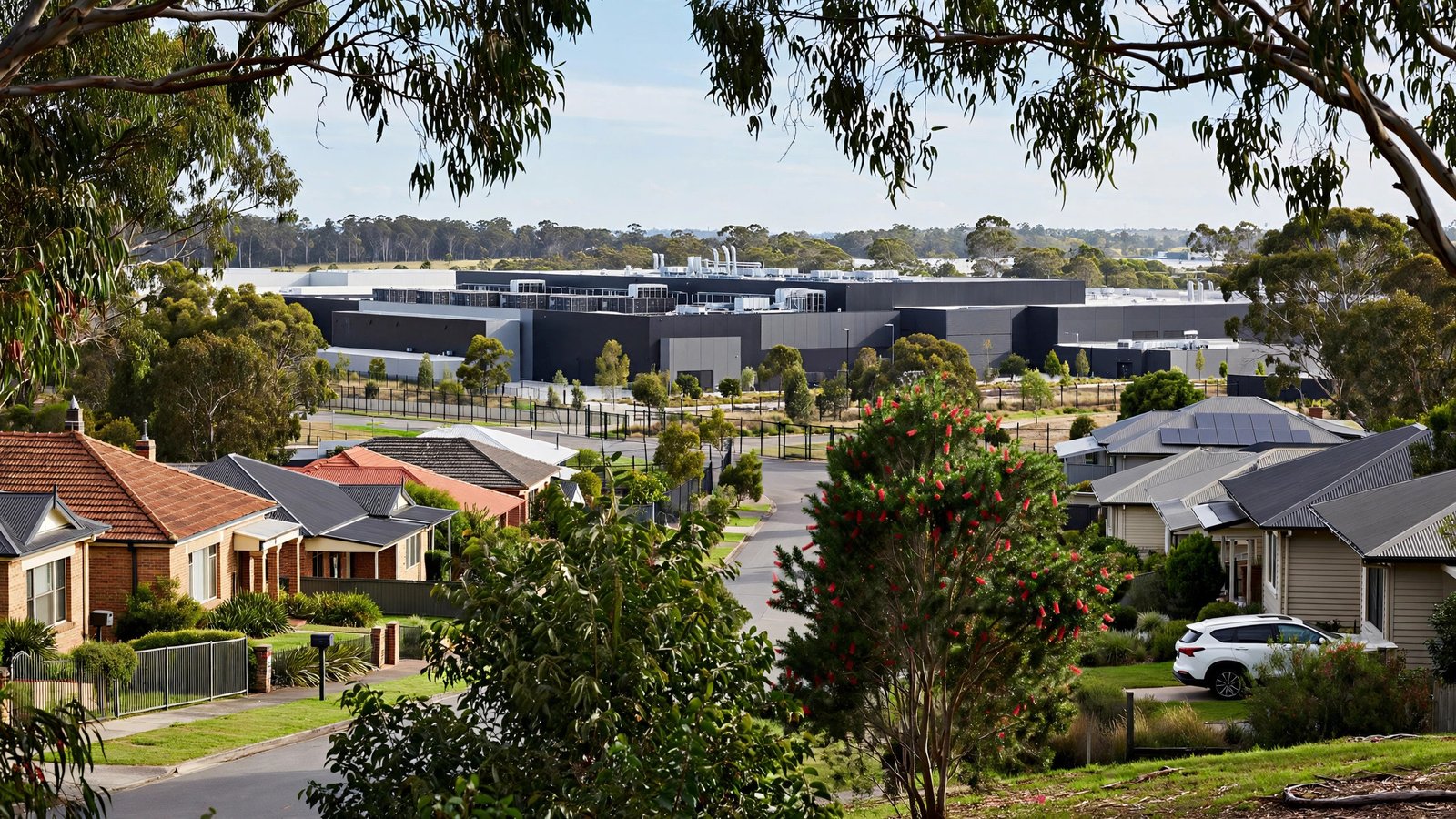
Australia could soon draw a much clearer line around where artificial intelligence data centres are allowed to go. According to reports published on 29 October 2026, the federal government is preparing a package of AI laws that would keep new data centres out of suburban areas, close to homes and recreational facilities. The reports, attributed to people familiar with the policy, stress that the government has not yet published the plans, so the details could still change before any draft bills appear for public consultation.
The story matters because it sits at the intersection of two pressures that have been building all year in Australia. On one side, demand for AI computing capacity keeps growing, and developers want land, power and fast approvals. On the other side, residents in Sydney and Melbourne have pushed back against large facilities near their neighbourhoods, raising concerns about noise, water use, power demand and the strain on local grids. The reported package appears designed to answer both pressures at once: keep building, but further from where people live.
What the reported plan would do
According to the Australian Financial Review reporting summarised on 29 October, the package would stop new AI data centres from being built in suburbs, close to homes and recreational facilities. That single rule, if it survives consultation, would reshape site selection for developers who have favoured locations near existing population centres and power infrastructure.
The same reports say the package would require data centres to run on renewable energy. Facilities that do not comply could reportedly face power cuts, a strong incentive in a market where access to reliable electricity has already become a bottleneck. Earlier reporting in October found that only a minority of Australia's planned large data centres had actually secured power, which helps explain why energy rules are now at the centre of the debate.
A third reported element concerns transparency. AI companies would reportedly have to disclose the content they use to train their models. That requirement would sit alongside a reworked approach to copyright, described below, and would give creators and regulators a clearer picture of what goes into the systems being built in these facilities.
A change of direction on copyright
One of the more notable reported changes is what the package would drop. An earlier copyright proposal, criticised by creators, reportedly would have let AI companies train on creative work without paying for it. According to the reports, that idea has been replaced with a model in which rights holders negotiate directly with AI companies, while smaller creators can still benefit when their work is used for training.
That shift follows months of pressure from media organisations, artists and other rights holders in Australia, who argued that a broad opt-out style system would leave them with little leverage. Direct negotiation is a slower and messier process, and it will not settle every dispute, but it is a clear change in tone from the earlier approach. Until draft legislation is published, however, the exact scope of the negotiation model, and how smaller creators would share in any payments, remains unconfirmed.
Why suburbs became the flashpoint
The suburban question did not appear from nowhere. In Sydney, Goodman Group dropped plans for a facility in Lane Cove, while in Melbourne, residents' concerns over new power lines have reportedly delayed NEXTDC's M3 project. Those cases became shorthand for a wider unease: large, power-hungry buildings arriving in areas that were not planned for them, with local communities feeling they had little say.
Prime Minister Anthony Albanese set out part of the government's thinking in July 2026, when he said large new data centres would have to pay for their own power and grid connections and keep water use down, so households were not left with the bill. The reported suburbs rule extends that logic from who pays to where a facility can sit in the first place. It also fits a pattern seen in other countries, where data centre growth has run into local planning disputes even as national governments promote AI investment.
What happens next
The reports say draft bills are expected to be released for public consultation before the end of 2026. That stage will be the first real test of the package, because developers, energy providers, local councils and community groups will all have a chance to respond in detail. Consultation could soften the suburbs rule, tighten it, or add exemptions for particular kinds of facilities.
Timing also matters. The data centre reports arrived in the same week that the House of Representatives passed the Online Safety Amendment (Digital Duty of Care) Bill 2026 on 28 October, sending it to the Senate. That bill deals with online safety duties rather than data centre planning, but together the two moves show a government trying to set ground rules for AI on several fronts at once, from what chatbots can do to where the computers behind them are housed.
For residents, the key question will be how a suburbs ban is defined in law. Terms like "near homes" and "recreational facilities" sound simple in a news report but need precise distances, zoning definitions and transition rules for projects already in the pipeline. For developers, the key question is whether renewable energy requirements and grid connection rules will make regional sites viable, or simply push projects to other states or countries.
Until the drafts are published, the safest reading is a narrow one: a reported plan, not a passed law. The direction of travel looks clear, with stronger local protections and tougher energy conditions, but the final rules will be written in consultation, in parliament, and in the planning decisions that follow.
Frequently Asked Questions
Has Australia banned AI data centres in suburbs?
Not yet. Reports on 29 October 2026 say the government plans such a ban for new facilities, but the government has not yet published the plans and no draft bill has been released for consultation.
Would existing data centres have to move?
According to the reports, the rule would apply to new AI data centres. There is no confirmed detail yet about how projects already approved or under construction would be treated.
What else is in the reported package?
The reports point to renewable energy requirements, with possible power cuts for non-compliant facilities, disclosure of training content by AI companies, and a reworked copyright approach based on direct negotiation between rights holders and AI companies.



Post Comment