AirMatrix Wins Second Federal Contract to Expand Counter-Drone Airspace Shield for Canada
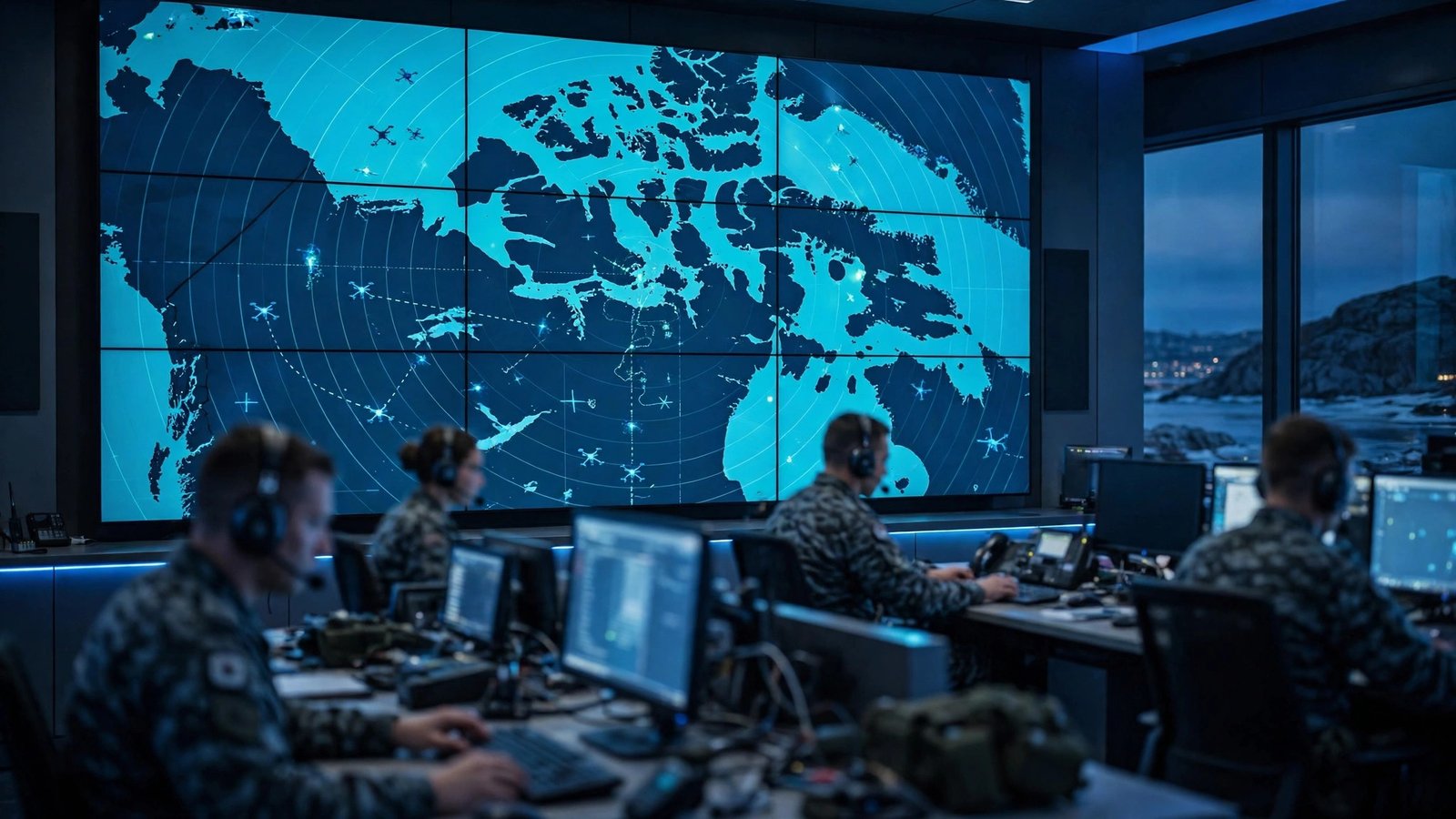
A Canadian company that builds the software behind drone detection has landed its second federal contract. AirMatrix announced on November 10, 2026 that deployment has begun under a new agreement through Innovative Solutions Canada, supporting the Department of National Defence. The work expands the company's Libra platform, which pulls radar and camera feeds together into a single picture of low-altitude airspace.
The timing is hard to miss. Drones have moved from a hobbyist curiosity to a daily reality for airports, military bases, and border regions, and the systems built to watch the sky have had to catch up. AirMatrix says its platform is designed for exactly that shift, and the new contract puts Canadian-built technology at the centre of how the military tracks what flies below traditional radar coverage.
What the new contract covers
The agreement is AirMatrix's second through Innovative Solutions Canada, a federal program that helps government departments test and buy home-grown technology. This time the deployment supports the Department of National Defence directly, and work is already underway.
At the heart of the deployment is Libra, the company's hardware-agnostic command-and-control platform. Hardware-agnostic means the software is not tied to one brand of radar or camera. It can take feeds from several different sensors, combine them, and present operators with one unified view of the airspace instead of a row of separate screens that each tell part of the story.
The engagement includes multi-radar sensor fusion, persistent tracking of objects once they are spotted, automated camera cueing that points optical sensors at a target, AI-assisted visual confirmation, and tools that support operator decisions. In plain terms, the system finds a drone, keeps watching it, points a camera at it, helps confirm what it is, and gives the person on duty the information needed to decide what to do next.
How Libra builds one picture of the sky
Low-altitude airspace is crowded and messy. Small drones fly below the range where traditional air traffic systems are most useful, and a single radar can miss them, lose them behind buildings, or mistake birds and clutter for a threat. That is why AirMatrix leans on sensor fusion, the practice of combining several feeds so the weaknesses of one sensor are covered by the strengths of another.
When a radar picks up a moving object, Libra can cue a camera to look at the same spot. The AI-assisted visual check then helps the operator tell a drone from a bird or a passing vehicle. Once a track is confirmed, the system keeps following it across sensors, so a drone that slips out of one radar's view can be picked up by another without the operator starting from scratch.
This kind of setup is becoming the standard for counter-drone work around the world. The difference here is that the software is Canadian, the sensors can come from different suppliers, and the whole package is meant to work as one system rather than separate tools that never quite talk to each other.
Why low-altitude airspace is getting harder to manage
AirMatrix's own announcement puts it simply: the spread of drones and autonomous systems is changing what low-altitude airspace demands. That is true on both sides of the fence. Delivery drones, survey drones, and hobby aircraft now share the sky with police and military operations, while hostile drones have become a real concern for armed forces and critical infrastructure.
Canada has been building its answer in stages. AirMatrix completed an initial federal deployment with the National Research Council of Canada, the country's national research organization, and that first project laid the groundwork for the new Defence contract. The company has also qualified across all five streams of Canada's Defence Drone Initiative Marketplace, the federal procurement route for uncrewed and counter-uncrewed systems, command and control, integration, testing, and experimentation.
Research and development behind the platform was supported by the National Research Council's Industrial Research Assistance Program, which funds Canadian firms working on new technology. The new contract is therefore not a first step but a second one, and it suggests the first deployment did enough to earn a bigger role.
What comes next for Canada and its allies
The contract also reaches beyond Canada's borders. AirMatrix says its technology is now being delivered to Ukraine, extending Canadian-built sensor fusion and command-and-control capability to an ally dealing with drone threats every day.
At home, the deployment adds to a wider push around sovereign capability. The federal government has spent the past year talking about building technology Canada controls itself, from artificial intelligence to defence systems, rather than relying on foreign suppliers for sensitive infrastructure. A command-and-control platform for national airspace fits that theme neatly, and the fact that it is hardware-agnostic means Canada can keep buying sensors from different vendors without rebuilding the system each time.
AirMatrix also works on the civil side of the same problem. The company is an approved service supplier within the US Federal Aviation Administration's Low Altitude Authorization and Notification Capability, known as LAANC, which lets drone operators get authorization to fly in controlled airspace near participating airports. That civil work and the new military deployment both rest on the same idea: the sky below a few hundred metres needs to be watched, mapped, and managed, and no single sensor can do it alone.
There are still questions the announcement does not answer. It does not say how much the contract is worth, how many sites the deployment will cover, or how long the rollout will take. Those details usually stay between the company and the department. What is clear is that a Canadian counter-drone platform has moved from a research project to an active military deployment, and that the next phase of the work is already underway.
Frequently Asked Questions
What is AirMatrix?
AirMatrix is a Canadian dual-use technology company that builds sensor fusion and command-and-control infrastructure for low-altitude airspace. Its Libra platform combines radar and optical sensor feeds into one operational picture for military and civil users.
What does the second federal contract involve?
The contract, awarded through Innovative Solutions Canada and supporting the Department of National Defence, expands the use of the Libra platform. Deployment has already begun and includes multi-radar sensor fusion, persistent tracking, automated camera cueing, and AI-assisted visual confirmation.
Why does Canada need counter-drone technology?
Drones are now common in low-altitude airspace, and they can threaten airports, military bases, and critical infrastructure. Counter-drone systems detect, track, and help operators identify small aircraft that traditional air traffic systems may miss.





Post Comment