AI Job Fears Drive New Worker Protection Bills in Washington
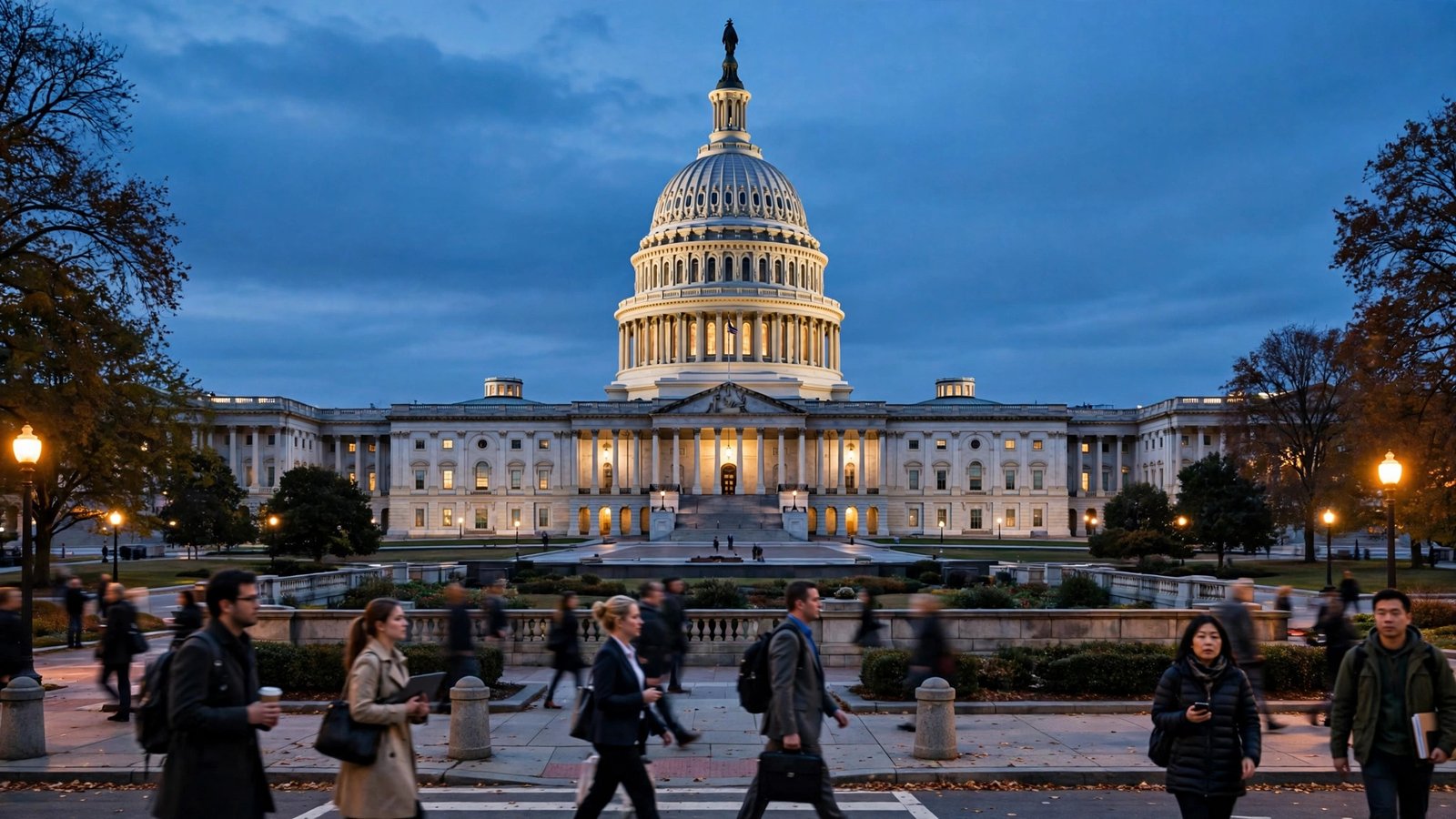
Artificial intelligence has moved from a workplace experiment to a policy debate in Washington, and the latest sign is a set of bills aimed at workers who could lose their jobs to automation. Lawmakers are not waiting for a single dramatic moment of displacement. Instead, they are drafting measures that would lengthen unemployment support, fund retraining, and force larger employers to disclose AI related layoffs.
The push reflects a gap between what companies say AI can do and what workers fear it will do. Congress is trying to write rules for that in between stage, when change is visible in individual workplaces but not yet obvious in national job totals.
What the bills would actually do
The proposals circulating in Congress take different routes to a similar goal. One bill from Senator Ron Wyden would extend unemployment benefits to 52 weeks if the jobless rate reaches 8.5 percent, double the current cap of 26 weeks. It would also channel help toward workers displaced by AI into education and retraining for higher paying jobs. The trigger matters, because it links extra support to a worsening labor market rather than paying it out in all conditions.
Another proposal, Senator Mark Kelly's Make AI Work for Americans Act, would raise money from the industry itself. According to reports, it would impose a 5 percent tax on digital advertising revenue, an AI usage tax, and a 50 percent excess profits tax, with proceeds funding worker retraining. A separate bill from Democratic Representatives Greg Casar, Valerie Foushee, and Sara Jacobs would tax AI companies based on token usage, with the rate rising as unemployment rises. Token usage is a rough measure of how much AI work a system performs, so the design tries to tie the tax base to scale.
A further measure from Senators Mark Warner and Josh Hawley would require large companies and federal agencies to report AI related layoffs to the Labor Department. That would give policymakers and workers a clearer record of where automation is cutting jobs.
Why the debate is heating up now
Public concern is one driver. Nearly 80 percent of Americans said protecting workers in the age of AI is extremely or very important in an AP-NORC poll earlier in October 2026, according to reports.
Warnings from industry leaders have added to the pressure. Anthropic chief executive Dario Amodei has warned AI could wipe out half of entry level white collar jobs and lift unemployment to 10 percent to 20 percent over the next one to five years, while Microsoft co-founder Bill Gates has said millions of jobs could be at risk. Those are warnings about a possible future, not measured outcomes, and they should be read that way. They explain why the debate feels urgent even though the current labor data looks steadier.
For now, economists say those warnings have not yet translated into mass displacement. The unemployment rate was 4.2 percent in September 2026, near full employment territory, and job openings stood at 7.1 million in August, according to reports. Labor demand remains resilient even as firms reshape staffing around AI tools. The story so far is more visible in corporate restructuring than in broad job losses, which is why some lawmakers frame these bills as preparation rather than emergency relief.
What this could mean for workers
For an individual worker, the most practical parts of the proposals are the safety net and the retraining money. Longer benefits would buy time, and targeted retraining would aim to move people toward roles that are growing rather than shrinking. That only helps if the training matches real openings, is easy to access while job hunting, and does not require workers to take on debt or quit a search to qualify. The details of eligibility, course quality, and timing will matter more than the headline tax rates.
Disclosure rules could also matter in a quieter way. If large employers must report AI related layoffs, workers in the same industry could see patterns earlier and plan sooner. Unions and workforce agencies could use the same data to target support to affected regions or job types. The final wording would need to define which layoffs count as linked to automation.
What this could mean for tech companies
For large tech employers, the stakes go beyond unemployment benefits. The proposals point to a future in which AI regulation may not stop at model safety and data privacy, but could also hit operating costs, disclosure burdens, and even industry taxes. That would matter most for mega cap technology companies leading the AI buildout, including Microsoft and Nvidia, which are already being watched for whether AI driven efficiency gains come with political backlash.
Companies may argue that taxes on AI use would slow investment or raise prices. Supporters will counter that firms gaining most from automation should help fund the adjustment. The balance will depend on rates, thresholds, and whether money is ring fenced for retraining.
What happens next
None of these ideas should be treated as law yet. They are bills circulating in Congress, and many proposals in this area stall, merge, or change substantially before a vote. The next test is whether AI adoption keeps showing up as incremental efficiency gains, or whether company layoffs and broader labor market weakness force Congress to turn worker protection from a precaution into a permanent policy response.
Readers should watch three signals: bipartisan sponsors, jobs data showing displacement in specific occupations, and whether states act first and create a patchwork that pushes Congress toward a national standard.
For workers, the sensible response does not require panic. Keep a record of skills and training, and ask employers about retraining support before a restructuring hits.
Frequently Asked Questions
Are these AI worker protection bills already law?
No. The measures described here are proposals circulating in Congress. They would need to pass both chambers and be signed into law, and their terms could change along the way.
Would unemployment benefits really double under the Wyden proposal?
According to reports, the bill would extend benefits to 52 weeks, from the current cap of 26 weeks, if the jobless rate reaches 8.5 percent. The longer period is tied to that trigger, not automatic in all cases.
How would the proposed AI taxes pay for retraining?
Different bills use different bases, including digital advertising revenue, AI usage, excess profits, and token usage. In each case, the reported aim is to fund worker retraining and support, though final spending rules would depend on the version that passes.




Post Comment