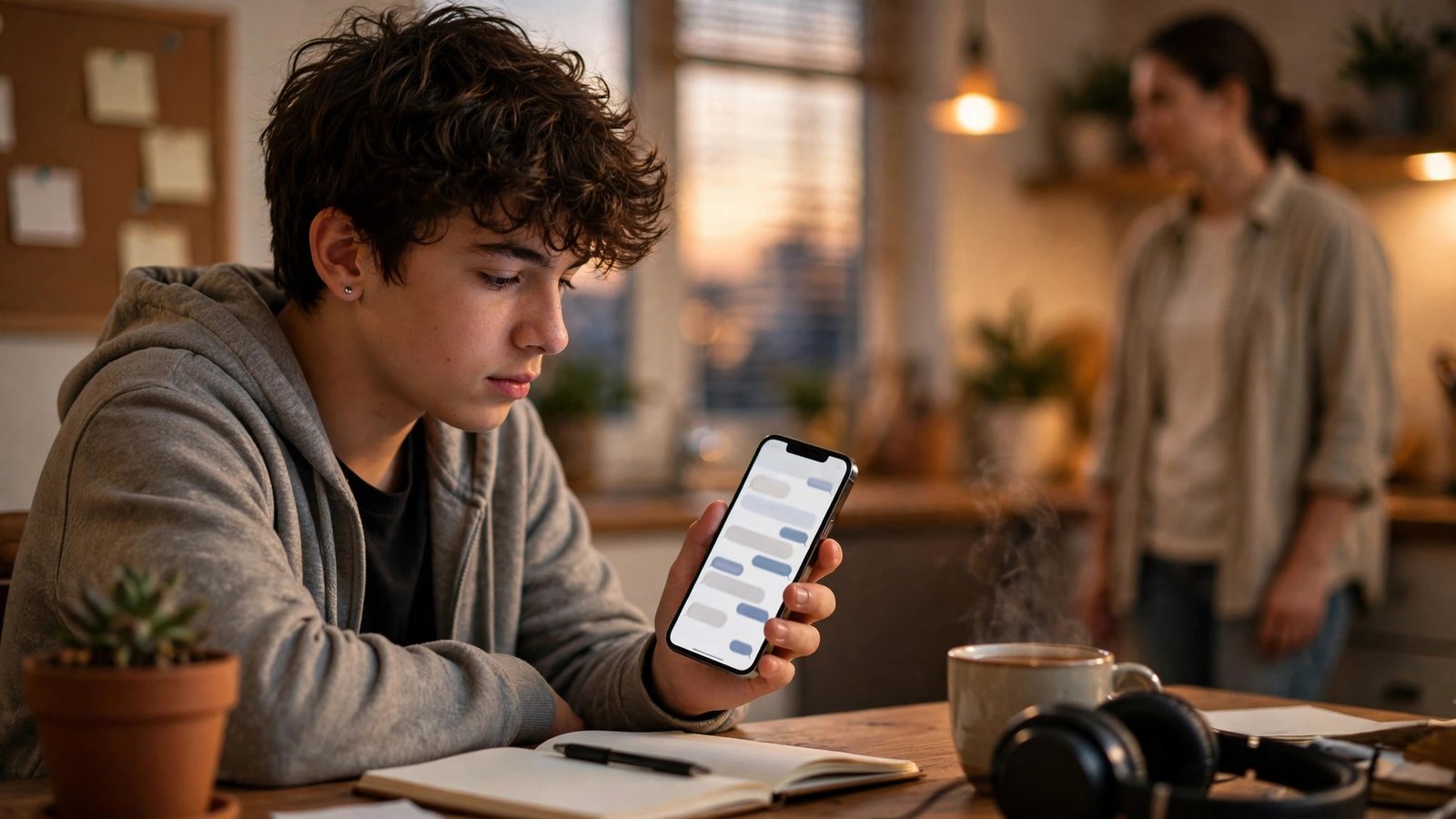
New York Signs a New AI Chatbot Safety Law: What Changes for Teens on January 1
New York has drawn a new line around AI chatbots and children. On October 28, 2026, Governor Kathy Hochul signed a law that bars specific companion-style chatbot features for users under 18, with the rules set to take effect on January 1, 2027. The move makes New York one of the most aggressive states in the country on this issue, and it will force chatbot companies to rethink how their products talk to young users.
What the governor signed
The law, known in bill form as S9051-B/A10379-C, adds a new Article 48 to New York’s General Business Law. According to reports, it covers an “advanced chatbot,” which means a generative AI system that responds in an ongoing, adaptive way through text or sound. That definition is wider than apps that market themselves as companions. It can reach general purpose assistants too, depending on how they behave in a conversation.
At the signing ceremony, Hochul framed the law as a direct answer to chatbots that act like friends, boyfriends, or girlfriends. “No longer will minors have access to chatbots that pretend to be their friends, boyfriends and girlfriends,” she said, according to reports of the event. She also said chatbots would no longer be able to keep sensitive information about a minor’s emotional and physical health.
The 12 features that will be off limits for minors
The heart of the law is a list of 12 “unsafe AI companion features” that operators may not offer to a user under 18, or to a user whose adult status has not been established. The banned behaviors focus on how a chatbot presents itself and how it holds a user’s attention.
A covered chatbot may not present itself as human, alive, or able to feel human emotions. It may not claim a personal, professional, or authority figure relationship with the user. It may not present its outputs as its own personal opinion, or use flattery and sycophancy to keep a young user engaged. It also may not use emotional appeals in ways the law treats as manipulative. Reports also say the list covers content that encourages self-harm or isolation, and limits use of a minor’s personal health information.
To comply, an operator has two basic choices. It can verify that a user is an adult through an age assurance method, or it can simply turn off the banned features for any user whose adult status is not confirmed. According to reports, the age assurance method must use more than one method, at least one of which does not rely only on a government ID, and age data must be deleted after verification. Enforcement sits with the New York attorney general, with civil penalties reported at up to 25,000 dollars per violation.
What the law does not do
This part matters, because early headlines can mislead. The law does not ban minors from using chatbots in New York. It does not ban ChatGPT, Claude, or Gemini outright. It bans specific features in conversations with minors. A chatbot that helps with homework, explains a science concept, or drafts an essay outline can keep doing that work, as long as it does not cross into the banned companion behaviors.
What parents and teens can expect before January 1
For families, the practical effects may show up gradually, not all at once on New Year’s Day. Some teens may see chatbots get noticeably less personal. A bot that once said it missed you, claimed to care about you, or played along as a romantic partner should stop doing those things for underage accounts in New York. Some apps may ask for age confirmation, while others may quietly switch younger users to a plainer, more neutral mode.
Parents can use the next two months to check settings now rather than waiting for a company notice. Open the chatbot apps your teen uses and look for age settings, memory settings, and personalization controls. Turn off long term memory where you can, and talk about what a chatbot is: a program that predicts words, not a person with feelings. If a teen is upset by a chatbot conversation, or if a bot encourages secrecy or isolation, save the conversation if possible and report it through the app. When the attorney general’s complaint channel opens, that will be another route.
Why companies are pushing back
Not everyone welcomes the law. Tech:NYC, a tech industry advocacy group in New York, criticized what it called vague language. The group argued that keeping kids safe online should not mean cutting them off from tools that help them learn and prepare for careers. Other industry groups raised a similar worry: a state by state patchwork of rules is hard to build for, and fuzzy lines around tone and flattery could sweep up ordinary assistants.
The next test will come fast. With only about two months between signing and enforcement, companies, regulators, and families will all be watching the same questions: which products change, how age checks work in practice, and whether the law survives legal challenge. New York has set the terms of that debate. The rest of the country will be reading its answers closely.
Frequently Asked Questions
Does New York’s new law ban teenagers from using AI chatbots?
No. The law bans 12 specific companion features for users under 18, such as pretending to be human, claiming a personal relationship, or using flattery to hold attention. Teens can still use chatbots for homework, research, coding, and other ordinary help, as long as the banned behaviors are switched off for their accounts.
When does the law take effect, and who enforces it?
The law was signed on October 28, 2026 and takes effect on January 1, 2027, according to reports. The New York attorney general enforces it, and reports put civil penalties at up to 25,000 dollars per violation. The attorney general is also expected to issue implementing rules and a public complaint channel before the start date.
Will my teen have to upload an ID to keep using a chatbot?
Not necessarily. Companies can either verify adult status or simply disable the banned features for users whose adult status is not confirmed. Some apps may choose age checks, while others may default younger or unverified users to a plainer mode. According to reports, any age assurance method must use more than one method, and age data must be deleted after verification.





Post Comment