Best Budget Smartwatches With Health Tracking (2026)
You do not need to spend flagship money to get serious health tracking on your wrist. The best budget smartwatch 2026 models measure heart rate, blood oxygen, sleep stages, and workouts with accuracy that would have cost three times as much a few years ago. The gap between a $150 watch and a $400 one has narrowed to features most people never touch. Here is how to pick the right affordable watch and which ones stand out.
What budget health tracking actually includes now
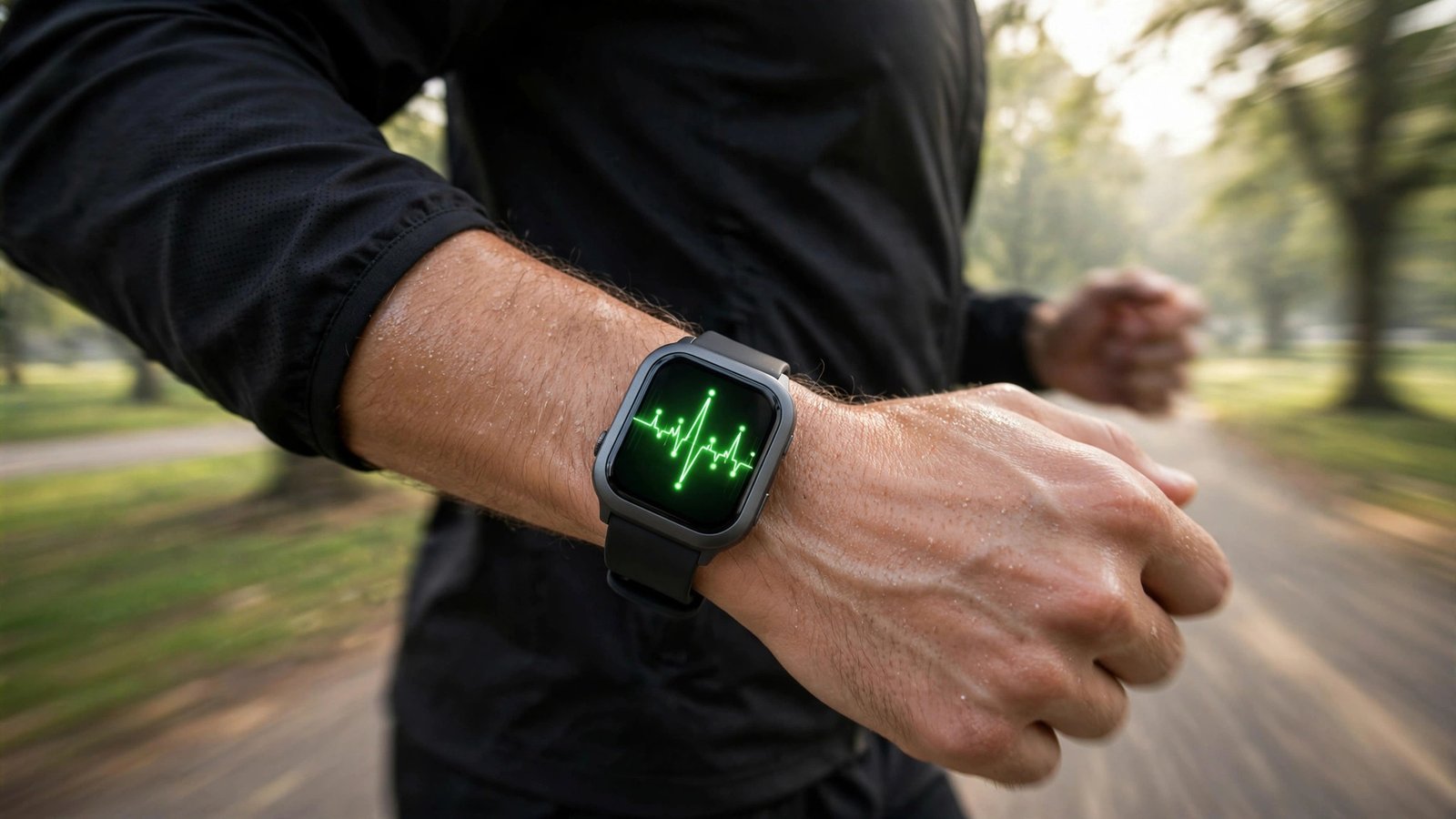
The basics are no longer basic. Even affordable watches now track continuous heart rate, resting heart rate trends, blood oxygen saturation, sleep duration and stages, step counts, and dozens of workout modes. Many add stress estimates, breathing exercises, and women's health tracking. This covers everything most people need to understand their fitness and recovery.
What you typically give up at lower prices: on-device ECG, advanced running dynamics, built-in maps for navigation, and premium materials like titanium. Ask yourself honestly whether you would use those. Most buyers will not, which is exactly why the budget tier makes sense.
Accuracy is the question everyone asks. Independent testing over the years has consistently shown that heart-rate tracking on reputable budget watches is solid for steady-state exercise like jogging and cycling, and somewhat less reliable for rapid interval training with fast arm movement. Sleep tracking is generally good at duration and decent at stages. For general wellness trends, which is what most people need, budget sensors do the job.
Best budget smartwatch 2026: the standouts worth your money
Amazfit has owned the value crown for years, and its current lineup remains the default answer for maximum features per dollar. You get AMOLED displays, two-week-class battery life, and a deep set of health metrics for well under flagship prices. The companion app is genuinely useful, with readiness and recovery scores that used to be paywalled elsewhere. If you want the most watch for the least money, start here.
Fitbit, now under Google, remains the best pick for people who want health insights without fuss. Its app turns raw data into plain-English explanations: why your sleep score dropped, what your readiness means today. The hardware is simple and the tracking is dependable. It is less exciting than rivals, but for pure health monitoring it is still excellent.
Samsung's affordable Galaxy Watch models are the right call for Samsung phone owners. You get tight integration, good sensors, and features like body composition estimates that budget rivals skip. Battery life is shorter than Amazfit, typically a day or two, so you trade longevity for ecosystem smoothness.
Apple Watch SE is the budget path for iPhone users. It lacks some sensors of the flagship Apple Watch, but it covers heart rate, sleep, workouts, and fall detection with Apple's typically polished experience. If you are on iPhone and want a watch that just works with everything you own, this is the one.
How to choose: match the watch to your phone first
Ecosystem compatibility decides more than any spec sheet. An Apple Watch needs an iPhone, full stop. Samsung watches work best with Samsung phones. Amazfit and Fitbit play reasonably well with both iPhone and Android, which makes them the flexible picks for mixed households or anyone who might switch phones.
Next, be honest about battery expectations. Two-week battery watches exist, and they are wonderful if you hate charging. But they achieve it with simpler software and fewer smart features. If you want rich apps and an always-on display, accept nightly or every-other-night charging. There is no wrong answer, only mismatched expectations.
Comfort matters more than reviews suggest, and since nearly every best budget smartwatch 2026 contender nails the core sensors, comfort and battery are the real differentiators. You will sleep in this thing if you want sleep data, so weight, thickness, and strap feel decide whether the data actually gets collected. Lighter is better for sleep tracking, and silicone sport straps handle sweat far better than metal or leather.
Finally, check the app before you buy. The watch collects data, but the app is where you live with it. Look for clear trend graphs, plain-language insights, and no mandatory subscription for basic history. Some brands lock advanced metrics behind monthly fees, which quietly raises the real cost of a "budget" watch.
What to skip and what to wait for
Skip no-name watches with impossible spec lists. If a $40 watch claims ECG, blood pressure, and blood sugar monitoring, it is not a bargain, it is fiction. Stick to established brands with real sensor hardware and a track record of software updates.
Also skip buying for a single rumored feature. Blood pressure monitoring on wrists remains unreliable across the industry, and glucose tracking without a needle is still not a real consumer product. Buy for what the watch does today, not for what marketing hints it might do.
If you can wait, the best deals land around major sale events, when last year's models drop sharply. Last year's mid-range watch often beats this year's budget watch at the same price.
The bottom line: the best budget smartwatch 2026 deals prove you no longer need flagship money for serious health tracking. You get the health data that matters, keep hundreds of dollars, and the only people who should spend more are athletes who need the advanced metrics and maps. For everyone else, affordable won.
How accurate are budget smartwatch heart rate sensors?
For steady exercise and all-day resting trends, sensors from established budget brands are quite accurate and consistent enough to guide training. They struggle most with rapid intensity changes, like HIIT intervals, where wrist movement interferes. For general fitness tracking, the data is trustworthy.
Do budget smartwatches need a subscription?
Most do not require one for core features like heart rate, sleep, and workout history. Some brands offer optional premium tiers with deeper insights or longer data history. Check before buying so the subscription does not surprise you later.
Can a budget smartwatch track sleep well?
Yes, sleep duration tracking is reliable across reputable budget watches, and sleep stage estimates are reasonable. The key is comfort: a light watch you actually wear to bed beats a feature-packed one you take off. Consistent wear matters more than the price tag.