Canada Joins Europe’s Supercomputing Network in New Alliance for the Future
Canada and the European Union have agreed to a closer technology partnership that gives Canadian researchers and businesses a route into some of Europe's most powerful computing systems. The deal was formalised at the 21st EU-Canada summit in Montreal on October 29 and 30, 2026, under the name Alliance for the Future. It covers supercomputing, artificial intelligence, digital trade, critical minerals, energy, finance and security.
Computing power has become a basic ingredient for modern research, from weather forecasting to training large AI models. That power is expensive to build and hard for any one country to supply on its own. The new agreement is an attempt to share it, and to build more direct digital links between Canada and Europe.
What was agreed in Montreal
The summit brought together Canadian Prime Minister Mark Carney, European Commission President Ursula von der Leyen and European Council President Antonio Costa. According to reports, the two sides agreed to build a shared space for cooperation aimed at growth, prosperity, resilience and economic security.
Cooperation covers six areas: trade and regulation; digital, research and communications technology; critical raw materials and energy; finance and markets; security and preparedness; and human mobility. The technology strand is likely to affect researchers, startups and students first, because it opens doors to infrastructure that already exists in Europe. The two sides also pledged to work toward a closer associative relationship by the 2027 summit, which signals that Montreal was a starting point rather than a finished arrangement.
Supercomputing access, including JUPITER
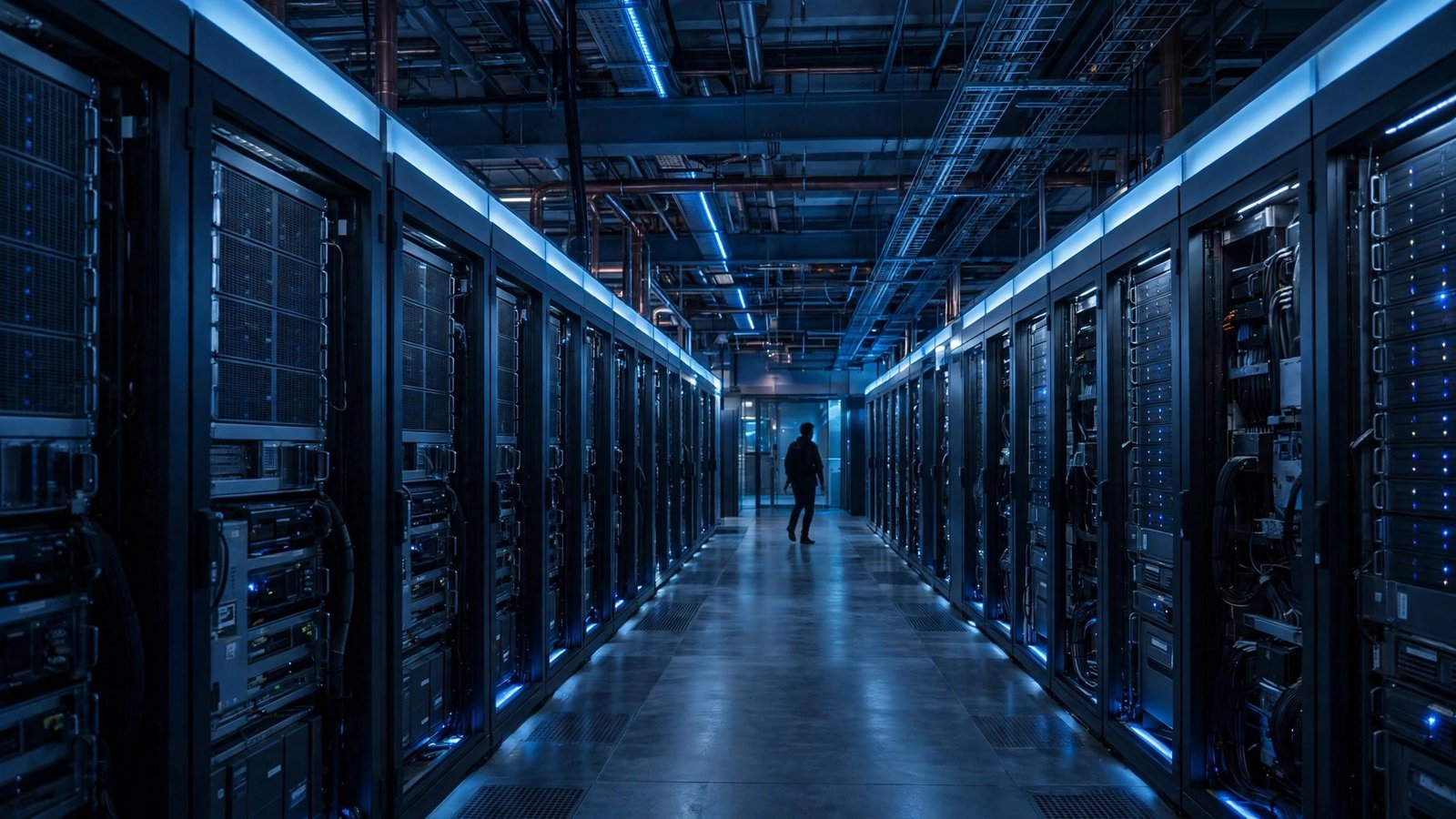
The headline item is Canada's participation in the European High Performance Computing Joint Undertaking, often shortened to EuroHPC JU. According to reports published on October 31, 2026, the network includes 14 supercomputers, 10 quantum computers and 19 specialised AI factories spread across Europe.
Canadian researchers and businesses will now be eligible to apply for access to those systems. One named example is JUPITER, a state of the art supercomputer located in Germany. Access is normally awarded through applications and peer review, so eligibility is not the same as a guaranteed allocation. Still, for a Canadian lab or company that needs large scale computing for a limited project, a new application route can change what is possible, since training AI systems and running detailed models demand capacity that is out of reach for a single department or small firm.
A digital twin of the planet
Canada is also set to take part in Destination Earth, a flagship European Commission program that aims to build a highly detailed digital twin of the planet. In plain terms, that means a living computer model of Earth systems that can simulate weather, oceans, land and other processes with growing accuracy.
The stated goal is better prediction of extreme weather events and better information for climate strategies. For Canada, with long coastlines, northern communities and large areas exposed to wildfire smoke, floods and storms, more accurate modelling can feed into warnings, planning and research on how a changing climate affects infrastructure and daily life. Officials have described Destination Earth as a key strategic data asset for Europe, so how Canadian data is contributed and shared will be worth watching as detailed rules are published.
A more direct data link, and wider cooperation
Beyond supercomputing, the alliance signals a push for stronger transatlantic digital connectivity. Discussions are underway on a new direct and secure data cable between Canada and Europe. According to reports, about 80 percent of Canadian internet traffic currently passes through the United States, so a direct cable would offer an alternative route and support the large data transfers that supercomputing and climate modelling require. For now, this is an intention to explore and build, not a completed project, since submarine cables take years to plan, fund and lay.
The package also includes support from the European Commission for the interconnection of instant payment platforms, which could allow seamless, real time money transfers between Canadians and Europeans. That coincides with Canada's own work on its Real-Time Rail payment system, whose initial phase is expected to roll out this fall, according to reports. The European Investment Bank and Canada have also set up a cooperation framework for investment in critical minerals, which are essential raw materials for batteries, semiconductors and defence equipment.
What it means, and what is still unclear
For researchers, the most direct effect is a new application route to European supercomputers and AI factories. For startups, the benefit could be access to computing and partners that would otherwise be hard to reach. For the wider public, the effects will be slower: better climate models can improve forecasts, and closer digital trade rules can make it easier for Canadian firms to sell software and services in Europe.
Several questions remain open. The precise terms for Canadian access, including how much capacity is available and how applications will be judged, have not been published in full. The timeline and funding for the proposed data cable are also unclear, as is any future global AI governance body, which remains an idea under discussion. The test over the next year will be whether Canadian researchers can actually apply and run projects on European systems. For now, the safest summary is that Canada and the EU have agreed to work much more closely on computing, AI and digital infrastructure, with supercomputing access as the clearest early prize.
Frequently Asked Questions
What is the Alliance for the Future?
It is the name given to the closer EU-Canada partnership formalised at the Montreal summit on October 29 and 30, 2026. It covers trade and regulation, digital and research technology, critical minerals and energy, finance and markets, security and preparedness, and human mobility.
How will Canadian researchers use European supercomputers?
According to reports, Canada will take part in the EuroHPC Joint Undertaking, and Canadian researchers and businesses will be eligible to apply for access to its supercomputers, quantum computers and AI factories. Access is expected to follow an application process, and the full rules are still to be confirmed.
What is Destination Earth?
Destination Earth is a European Commission program to build a highly detailed digital twin of the planet. Its aim is more accurate modelling of weather and climate, including better prediction of extreme weather events, and Canada is set to take part in that work.





Post Comment