Syncrowin Raises $3 Million to Put AI Inside the Factories Nobody Watches
Most AI startups want to live on your laptop. Syncrowin wants to live inside your power station. The Melbourne startup has raised $3 million in a pre-seed round to build what it calls an AI-based operating system for heavy industry: the electricity, oil, gas and manufacturing plants that burn enormous amounts of money every time something breaks without warning. It is a bet that the smartest industrial upgrade of the next decade will not be a new factory at all. It will be the old ones, running smarter.
The quiet problem at the heart of industry
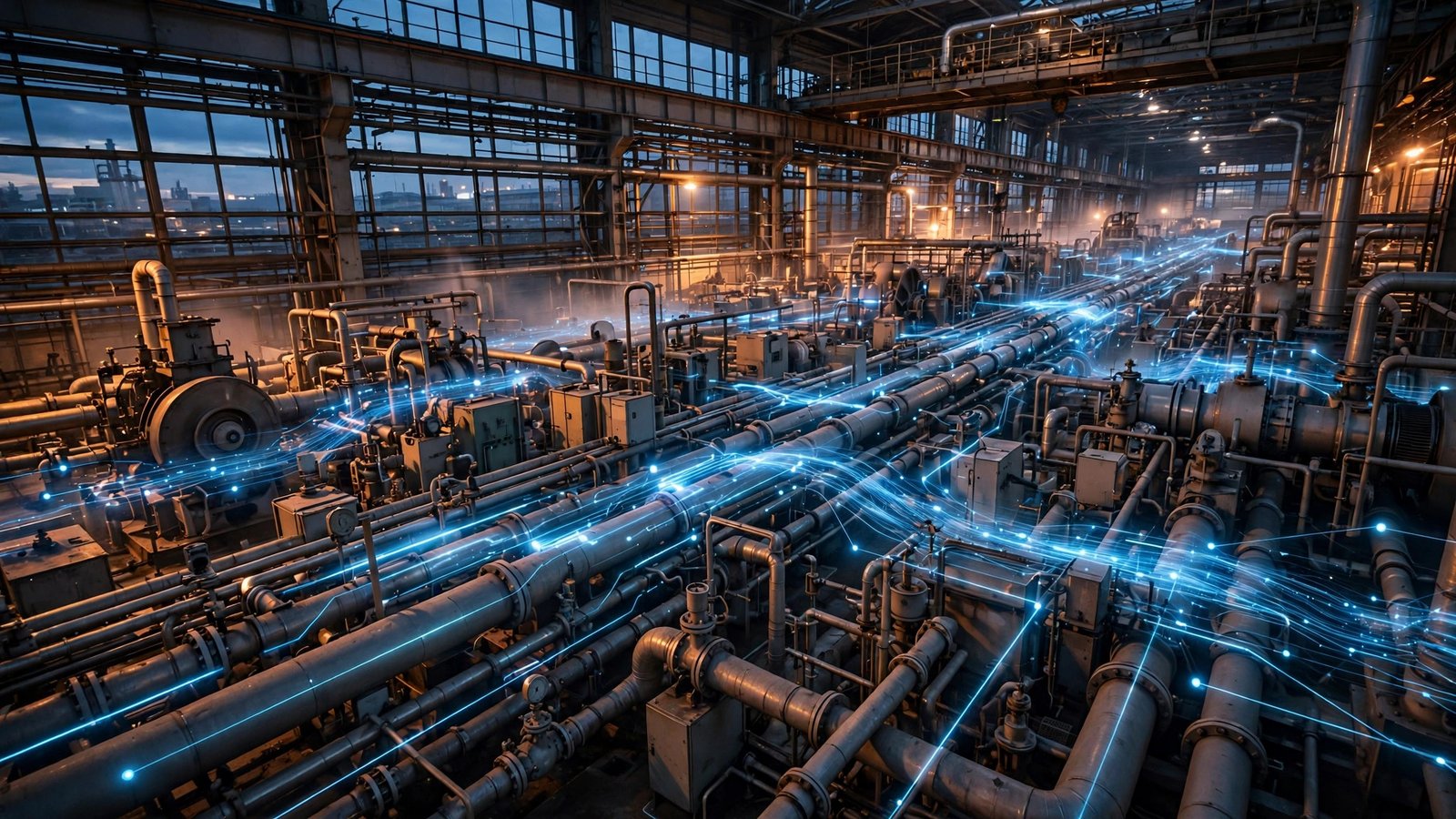
The industrial world has a data problem hiding in plain sight. Pumps, turbines, compressors and conveyor lines all stream constant readings about temperature, pressure and vibration, and most of that information lands in disconnected systems where nobody looks at it until something fails. A motor that runs a fraction hotter than normal for three weeks, then dies on a Tuesday afternoon, can cost a plant a fortune in lost output. Multiply that across an entire energy grid or manufacturing sector and you get one of the largest invisible costs in the economy.
This is the gap Syncrowin is built for. The company argues that the world keeps spending vast sums on new industrial capacity while the capacity already sitting in the field runs dumb. Fixing that does not require a breakthrough in physics. It requires paying attention to the machines we already own.
What Syncrowin actually does
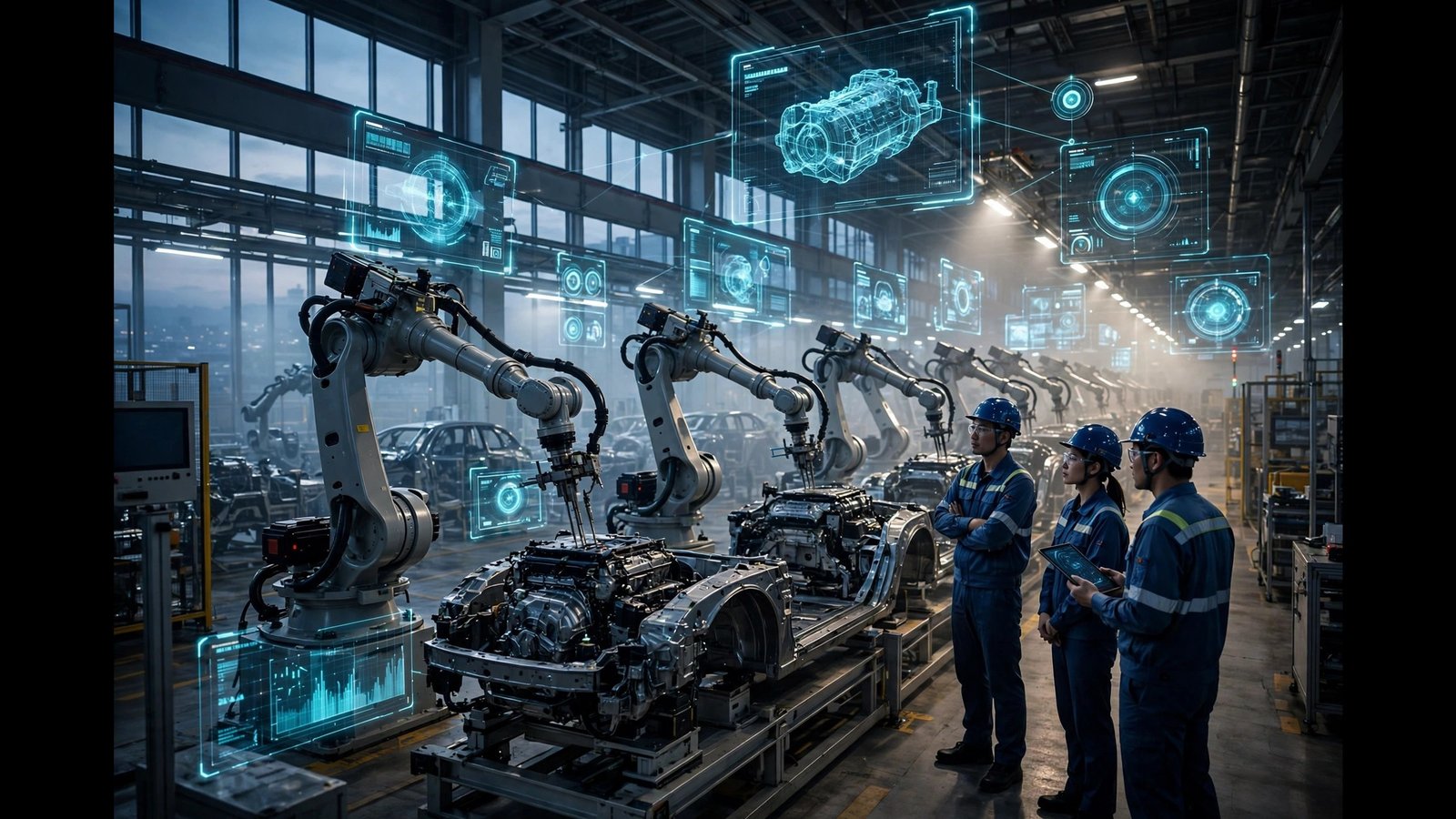
Syncrowin’s pitch is simple: stop letting machines fail in silence. Its platform pulls together data from industrial machinery, sensors, maintenance logs and business software, then flags equipment performance issues and recommends specific maintenance actions before a small problem becomes an expensive one. In practice, that might mean spotting a pump running hotter than it should and suggesting a filter change this week instead of a full rebuild next month.
The founders describe the philosophy plainly. “The world is spending trillions planning new industrial capacity, but a significant portion of what we need already exists, it’s just not running intelligently,” co-founder and CEO Aisshwarya Kansakaar said. Her co-founder and chief technology officer Jaideep Upadhyay sees it as an era change: “The last era of industry was defined by deploying physical assets at extraordinary scale. We believe the next will be defined by the intelligence layered across them.”
A Melbourne startup with a New York backer
The $3 million round was led by Collide Capital, a New York investment firm, with participation from Hustle Fund, POV Ventures, Australia’s Co-Ventures and Ventari, alongside angel investors. The money will go toward developing and deploying the AI-based operating system and growing the AI and engineering teams in Australia and San Francisco.
Collide Capital’s managing partner Aaron Samuels said the founders’ time inside real plants was what sold him on the deal. “Ash and Jai have spent their careers inside the industrial sites and plants they’re now trying to transform, and that shows up in how they build,” he said. That is a rarer credential than it sounds. Plenty of AI founders have never stood next to a 40-year-old compressor at 2 in the morning. These two have.
Both founders bring engineering backgrounds across mechatronics, mechanical and industrial systems, along with AI. Kansakaar, who goes by Ash, was Victoria’s 2025 Young Australian of the Year and grew up in Nepal before building her career in Australia. Syncrowin has also been selected for the Energy Labs Scale Up program and was previously supported by the University of Melbourne’s MAP Accelerator.
Why this week, and why this sector
The timing says something bigger is shifting. Investors spent the last two years funding AI that writes, draws and codes. Now the money is moving toward AI that keeps physical things running. Dealroom, which tracks startup funding data, reports that the $3 million round ranks above roughly 91 percent of all seed-stage deals recorded in Australia. Syncrowin also recently won the Initiate pitch competition at the DTECH energy conference in San Diego, one of the industry’s biggest gatherings.
The raise landed in a busy week for Australian and New Zealand tech. Melbourne ad-tech company Cuttable announced an A$20 million Series A on October 22, and New Zealand edtech SupaHuman closed NZ$2.6 million to push into Australia. The pattern is getting hard to miss. Applied AI with real customers is getting funded. The general-purpose chatbot wave is over.
What happens next
Syncrowin is still early, and industrial software is not a fast game. A pre-seed round does not turn a startup into a giant, and plant operators do not rip out trusted systems because a slick demo told them to. The company’s first real test will be turning pilot projects into long-term contracts with energy and manufacturing customers.
Still, the direction is hard to argue with. Energy grids are straining, factories face constant pressure to cut waste, and every country with heavy industry has the same problem Syncrowin is selling a fix for. If the intelligence layer really is the next era of industry, $3 million is a cheap ticket in.
Frequently Asked Questions
What does Syncrowin do?
Syncrowin builds an AI-based operating system for heavy industry. It combines data from industrial machinery, sensors, maintenance logs and business software to flag equipment problems and recommend maintenance actions, helping electricity, oil, gas and manufacturing operators cut breakdowns, waste and production delays.
Who founded Syncrowin and who invested?
The Melbourne startup was founded by CEO Aisshwarya (Ash) Kansakaar and CTO Jaideep Upadhyay. Its $3 million pre-seed round, announced on October 19, 2026, was led by New York’s Collide Capital, with participation from Hustle Fund, POV Ventures, Australia’s Co-Ventures and Ventari, plus angel investors.
Why is industrial AI suddenly attracting investor money?
General-purpose AI startups dominated funding for two years, but investors are now backing applied AI with real-world customers. Industrial AI targets huge, measurable costs: unplanned equipment failures and wasted energy. With grids straining and factories under margin pressure, software that makes existing plants run better has a clear buyer, which is why rounds like Syncrowin’s are growing larger.


Post Comment