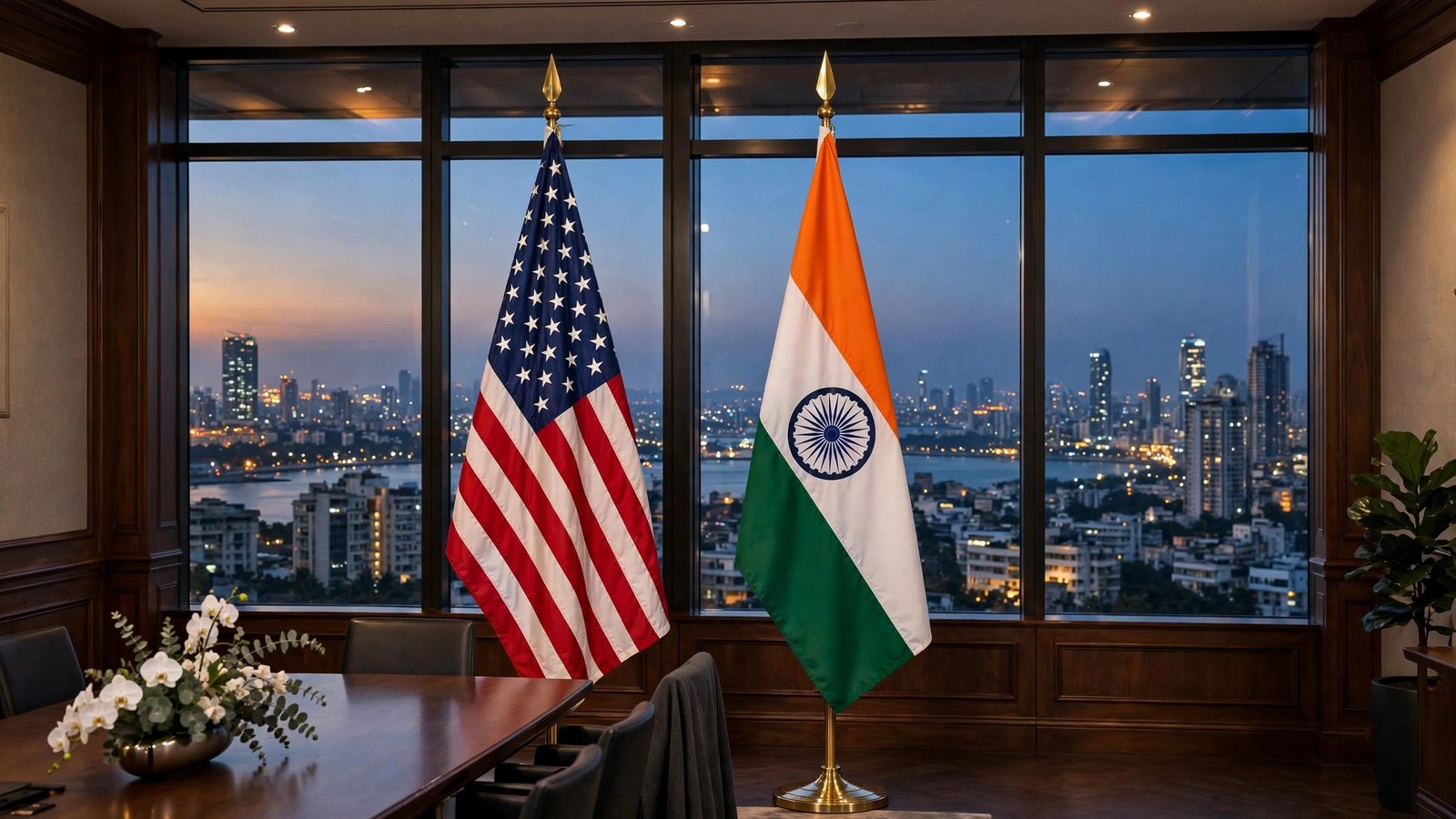
Rubio’s India Visit: Trade, Defence and the Russia Sanctions Question
US Secretary of State Marco Rubio is visiting India on October 19, 2026, his second trip to the country this year. The visit lands at a complicated moment: Washington and New Delhi are trying to deepen a strategic partnership while managing fresh friction over trade and a new American sanctions law aimed at buyers of Russian energy. Here's what the trip is about and why the timing matters.
The visit itself
Rubio is expected to travel to Mumbai, India's financial capital, during the visit. It follows his first trip earlier this year, a four-day tour in May that took him through Kolkata, Agra, Jaipur, and New Delhi. That visit included meetings with Prime Minister Narendra Modi and External Affairs Minister S. Jaishankar, as well as a Quad foreign ministers' meeting bringing together the US, India, Japan, and Australia.
Two visits in one year by a sitting Secretary of State is a brisk pace, and it signals that the relationship is getting sustained high-level attention rather than being managed on autopilot. The choice of Mumbai this time is also notable: it puts commerce, not just diplomacy, at the center of the itinerary.
What's on the agenda
According to reports, the visit is expected to advance several tracks at once. Trade talks top the list, with both sides working through disputes that have lingered despite the broader warmth in the relationship. Defence cooperation is another pillar, as the two countries continue to expand military exercises, equipment sales, and technology sharing.
Critical minerals supply chains are increasingly central to these conversations. Both Washington and New Delhi want to reduce dependence on China for the minerals that go into batteries, electronics, and defence hardware, and building alternative supply chains is slow, expensive work that benefits from coordination.
People-to-people ties round out the agenda: students, the Indian diaspora in the US, and visa and mobility issues that matter enormously to ordinary families even when they don't make headlines. These topics rarely drive news cycles, but they shape how the relationship feels on the ground.
The sanctions friction
The most delicate item on the table is the Sanctioning Russia and Iran Act of 2026, associated with Senator Lindsey Graham. The law authorizes the US president to impose tariffs of up to 100 percent on goods from the largest buyers of Russian crude oil and gas. India is among the largest importers of Russian oil, which puts it directly in the law's potential crosshairs.
India's position, as its officials have repeatedly stated, is that its energy purchases are driven by the energy security needs of 1.4 billion people. From New Delhi's perspective, buying discounted Russian crude keeps fuel affordable at home, and it views the decision as a sovereign economic choice rather than a geopolitical statement.
Jaishankar raised India's concerns directly with Rubio when the two met on the sidelines of the UN General Assembly's high-level week in New York. Afterwards, Jaishankar said he had reiterated India's interests and concerns regarding the law, and that the two had also discussed the situations in the Gulf and Ukraine. Rubio, for his part, described the meeting as part of building on the strategic partnership and coordinating on regional priorities.
An important nuance: the law does not automatically trigger tariffs. Any action would require a presidential decision, which leaves room for diplomacy, waivers, or quiet understandings. According to Rubio, President Trump wants 60 days to analyze the impact of the law before deciding anything, which effectively puts a clock on the negotiations happening around this visit.
Why this matters beyond the two countries
The US-India relationship has become one of the load-bearing walls of Asian geopolitics. Washington sees India as an essential partner in balancing China's influence. New Delhi sees the US as a source of technology, investment, and strategic backing, while carefully guarding its tradition of strategic autonomy and its relationships with other powers, including Russia.
That balancing act is exactly what makes moments like this visit interesting to watch. Every US administration discovers that India cooperates enthusiastically on some things and pushes back firmly on others, often in the same meeting. The sanctions question is the current stress test of that dynamic.
There are also wider ripples. How the US handles India's Russian oil purchases will be watched closely by other major buyers. A harsh approach risks pushing partners away; a lenient one raises questions about whether the sanctions law has teeth. The 60-day analysis window suggests the administration knows it is walking a fine line.
What to watch coming out of the visit
The official statements will be polite; they always are. The real signals to watch for are more specific.
First, any movement on trade. If the two sides announce progress on tariff disputes or market access, that would suggest the visit did substantive work rather than just photo opportunities.
Second, language around the sanctions law. Watch for whether US officials start talking about India's "energy needs" with sympathy or stick to firmer rhetoric. Small shifts in wording often precede policy decisions.
Third, defence announcements. New agreements on equipment, co-production, or technology sharing would indicate the strategic side of the relationship is advancing even while the economic side is being negotiated.
And finally, watch the calendar. With a 60-day analysis window reportedly in play, the weeks after this visit matter as much as the visit itself. The real test of whether this trip succeeded may not be visible until that window starts to close.
Frequently Asked Questions
Why is Marco Rubio visiting India?
The US Secretary of State is visiting India on October 19, 2026, his second trip this year, to advance trade talks, defence cooperation, critical minerals supply chains, and people-to-people ties, while managing friction over a new US sanctions law affecting Russian energy buyers.
What is the Sanctioning Russia and Iran Act?
The 2026 law authorizes the US president to impose tariffs of up to 100 percent on goods from the largest buyers of Russian crude oil and gas. India is among the largest Russian oil importers. The law does not trigger tariffs automatically; any action requires a presidential decision.
What did India say about the sanctions law?
Indian officials, including External Affairs Minister Jaishankar, have raised India's concerns directly with US counterparts, stating that India's energy purchases are driven by the energy security needs of its 1.4 billion people.

Post Comment