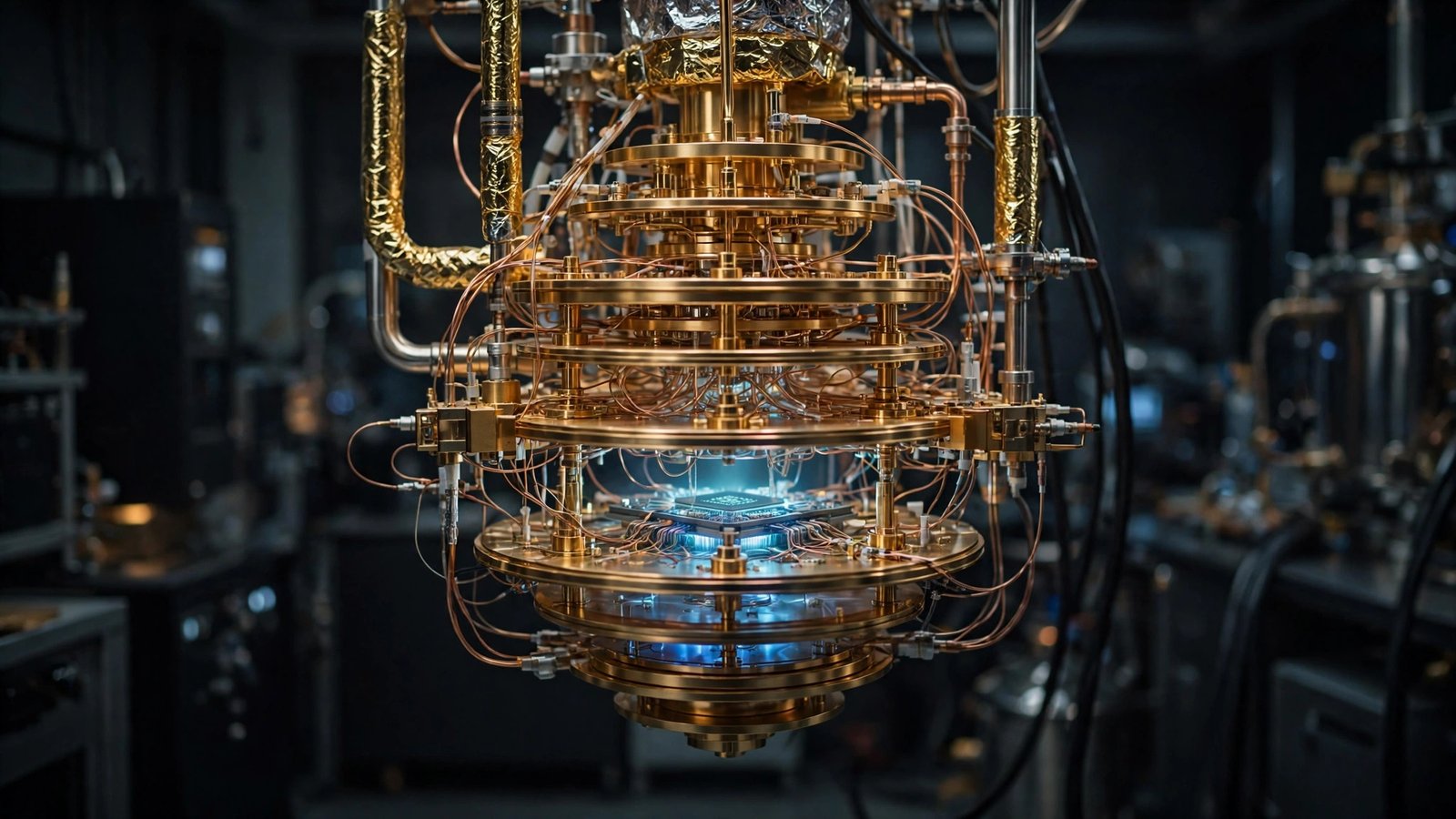
IBM Unveils Nighthawk r3 Quantum Chip: 520 Qubits Now, a 1,040-Qubit System Planned for 2027
IBM has taken its next big step in quantum computing. On November 11, 2026, the company unveiled its Nighthawk r3 processor at its annual Quantum Developer Conference in Yorktown Heights, New York, and laid out a plan to push past 1,000 qubits for the first time in 2027. The new chip is designed to run 10,000 quantum operations across 520 programmable qubits, a sharp jump from the 120 programmable qubits in the Nighthawk r2 processor. The announcement matters because it shows how IBM plans to scale: not by building one giant chip, but by linking smaller chips together into a single system.
What IBM announced
The headline figure is 520 programmable qubits on a single Nighthawk r3 processor, out of 2,034 physical qubits in total on the chip. IBM says the processor is being built to execute 10,000 quantum operations, which is the company's measure of how deep and complex a computation the chip can sustain before errors pile up. The design keeps the square lattice layout and the fast operating speeds of its predecessor, according to IBM's announcement.
The second part of the announcement looks further ahead. In 2027, IBM plans to connect two Nighthawk r3 processors into one system with 1,040 programmable qubits. That would be the company's first machine past the 1,000 qubit mark, a staging post on the road to fault tolerant quantum computing. The link between the two chips will use ten chip to chip connectors that IBM calls l-couplers, with a stated fidelity target of 99.9 percent.
IBM also reported measured results from the Nighthawk r2 fleet already in service and described managed hybrid workflows that pair classical computing with quantum execution.
How Nighthawk r3 compares with r2
The jump from r2 to r3 is large on paper. The Nighthawk r2 processor, deployed in September 2026, carries 120 programmable qubits out of 458 physical qubits and is designed for 7,500 quantum operations. The r3 design raises programmable qubits to 520, total physical qubits to 2,034, and the operations target to 10,000. That works out to roughly 4.3 times as many programmable qubits per processor, and a two chip system would offer about 8.7 times the r2 count.
The r2 figures describe a processor that researchers and commercial partners already use through the cloud. The r3 figures are design targets for a processor that has not yet been built. Until the chip is tested, the 520 qubit figure and the 10,000 operation figure remain specifications on a roadmap rather than measured results.
That distinction matters for anyone following the quantum race. Design target announcements are common in this field, and the real test is whether the finished hardware meets them. IBM leaned on r2 data at the conference for that reason, using the working chip to show what its architecture can already do.
The 1,040-qubit plan and the l-couplers
Linking two chips together is the most interesting engineering idea in the announcement. Building one ever larger chip runs into hard limits: more qubits on a single piece of silicon means more wiring, more cooling, and more ways for errors to creep in. IBM's answer is modular. Each r3 chip keeps a manageable size, and the l-couplers join two of them into a single system that behaves like one larger machine.
IBM has reported demonstration results for the connection technology and for a modular cryogenic cooling system, but those are results from individual components. They do not mean a full 1,040 qubit connected system has operated yet. The 2027 plan depends on the r3 chip meeting its specification and on the l-coupler links reaching their fidelity target. IBM has not given a more precise date inside 2027.
The approach is not unique to IBM. Other quantum builders are also betting on modular designs, and the industry is watching to see whose interconnect works first at scale. If IBM's l-couplers hit their target, the company gains a repeatable way to keep growing: add more chips, link them, and the system grows without redesigning the processor.
Why the numbers come with a caveat
Quantum announcements deserve a careful read, and this one is no exception. Three qualifications apply. First, the r3 processor is a design target. IBM uses the language of design and planning throughout the announcement, and independent coverage from outlets such as Ars Technica and SiliconANGLE has stressed the same point. Second, the 1,040 qubit figure is a 2027 plan for two linked chips, not a single chip and not a system in service today. Third, IBM has not disclosed pricing, general availability, or a timetable for buying access to the processor.
None of that makes the announcement empty. Roadmaps are how this industry signals direction, and IBM's roadmap has delivery behind it: the r2 chip announced earlier this year is now in service. Still, the honest way to read the news is as a statement of intent backed by working hardware, not as a machine you can use today.
What comes next on IBM's roadmap
The Nighthawk line is one stage in a longer plan. IBM targets its fault tolerant Starling system for 2029, a machine designed to correct its own errors well enough to run long, reliable computations. The path to Starling runs through the steps announced this week: bigger chips, reliable links between chips, and software that splits work between classical and quantum hardware.
The next verifiable step is the construction of the r3 processor itself, followed by the linking of two r3 chips in 2027. Those milestones will tell us whether IBM's modular bet pays off. For now, the company has put its numbers on the table: 520 programmable qubits per chip, 10,000 operations, and a 1,040 qubit system within about a year.
Frequently Asked Questions
What is the IBM Nighthawk r3?
The Nighthawk r3 is IBM's next generation superconducting quantum processor, announced on November 11, 2026. It is designed with 520 programmable qubits out of 2,034 physical qubits and is built to execute 10,000 quantum operations.
When will the 1,040-qubit system be ready?
IBM plans to link two Nighthawk r3 processors into a single 1,040 qubit system in 2027. The company has not given a more precise date inside that year, and the r3 processor itself has not yet been built.
Is the Nighthawk r3 available to use now?
No. The processor in service today is its predecessor, the Nighthawk r2, which has 120 programmable qubits and has been available through the cloud since September 2026. The r3 figures are design targets, not measured results from finished hardware.




Post Comment