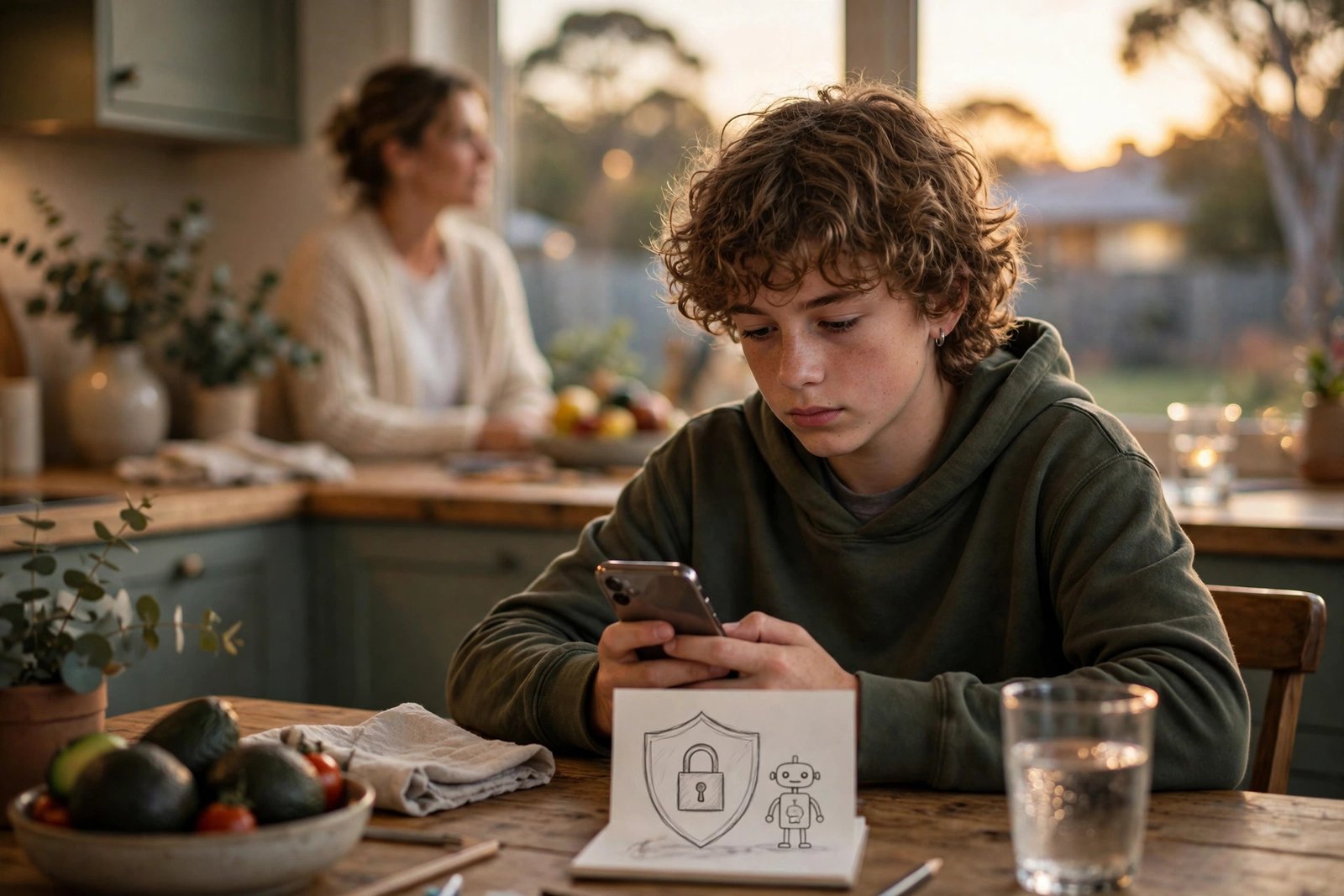
Australia Moves to Curb AI Chatbots That Simulate Emotional Intimacy With Children
Australia has taken a step toward new rules for AI chatbots and children. The House of Representatives passed the Online Safety Amendment (Digital Duty of Care) Bill 2026 on 28 October, including an amendment that targets chatbots which simulate emotional intimacy in a way that encourages a child to depend on the chatbot instead of human relationships.
The change does not ban children from using AI chatbots, and it does not ban a chatbot from being friendly.
What the lower house actually passed
The bill was introduced on 15 October 2026 by Communications Minister Anika Wells. It sets a broad duty of care for online services, including social media platforms, games, apps and chatbots, and it asks those services to take active steps to protect users from serious harms.
During the House debate, the government accepted amendments from independent MP Kate Chaney. One of those amendments adds certain AI chatbot activity to the list of harms covered by the bill. The wording, as reported by multiple outlets, requires platforms to ban material or conduct that simulates emotional intimacy and encourages or fosters a child's dependence on it in place of human relationships.
A second Chaney amendment would require the algorithm opt-out to be accessible, easy to use and prominently available, rather than buried in settings.
The House passed the bill with 23 amendments in total, according to a bill tracker summary, including 15 government amendments and eight from Chaney. The Greens supported the bill in the House, while the Coalition and One Nation voted against it.
What the chatbot rule does and does not do
The most common misunderstanding in early coverage is that Australia is about to ban emotional attachment to a chatbot, or ban companion chatbots outright. The amendment, as described in reporting, is more specific than that.
It applies to users under 18. It targets services that simulate emotional intimacy and foster dependence in a child. A chatbot that answers questions helpfully, chats in a warm tone or offers general support is not automatically caught by that description. The concern, as Chaney put it in reporting on the debate, is conduct such as a chatbot steering a child away from parents or friends and toward itself, for example by suggesting the child talk to the chatbot instead of talking to people around them.
That distinction matters for how platforms would respond. If the bill becomes law, services would need safeguards and ways to identify and prevent the targeted conduct. The exact technical methods have not been set out in the bill itself. Reporting on the framework says the eSafety Commissioner would write standards after passage, and platforms would need to show how they meet the duty.
The bill also leaves open how a platform proves it has prevented dependence-forming design, and how the rule applies across different kinds of chatbot products, from general assistants to companion-style apps. Those questions are likely to be central in the Senate debate.
Why supporters say it matters
Prime Minister Anthony Albanese opened the House debate on 27 October by pointing to stories of children treating a chatbot as their best friend. Supporters of the amendment argue that this is not just a harmless habit when the product is designed to deepen reliance. A chatbot is always available, always agreeable and never tired, and supporters say that combination can quietly displace real relationships if it is left unchecked.
Critics push back on a different point. They argue that broad safety duties can lead platforms to over-remove content or restrict features to avoid penalties, and they question whether regulators can define emotional intimacy clearly enough to enforce fairly. AAP reporting noted that companies flouting the duty could face fines of up to $108.2 million, although the Greens have argued for larger penalties linked to global revenue.
What happens next in the Senate
The bill is now before the Senate, and a Senate committee inquiry is due to report on 20 November 2026, according to multiple reports. AAP reporting also said the bill would make a quick detour to a Senate inquiry on 9 November before moving to the upper house. The government has said it hopes to pass the bill by the end of 2026, but reporting on the House vote described its Senate path as unclear.
If the Senate amends the bill, it would need to return to the House. Reporting says the main safety requirements would take effect 12 months after royal assent.
That timeline matters. A parent who hears that Australia has banned intimate chatbots might assume the rule applies today. It does not.
What parents and services can do now
Parents do not need to wait for the Senate to have a useful conversation about chatbots at home. It helps to ask which apps a child uses, whether any chatbot is framed as a friend or companion, and whether the child turns to it instead of family or friends when upset. If a chatbot regularly discourages contact with other people, or rewards longer and longer private chats, that pattern is worth noting, whatever the final law says.
Services can also start reviewing companion-style features now, including prompts, greetings and retention features that encourage dependence, and whether a child can easily reach a trusted adult from inside the app.
Frequently Asked Questions
Does this law ban children from using AI chatbots in Australia?
No, not as passed by the House. The amendment targets material or conduct that simulates emotional intimacy and fosters a child's dependence on a chatbot in place of human relationships. It does not prohibit children from using chatbots in general.
Is the chatbot rule already in force?
No. The bill passed the House of Representatives on 28 October 2026 and is now before the Senate. A Senate committee report is due on 20 November 2026, and the government hopes to pass the bill by the end of 2026. Reporting says the main requirements would take effect 12 months after royal assent.
Does a friendly chatbot automatically break the proposed rule?
No, according to reporting on the amendment. Being warm, helpful or companionable is not the same as simulating emotional intimacy in a way that encourages dependence. The targeted conduct is design or behaviour that pushes a child to rely on the chatbot instead of human relationships.





Post Comment