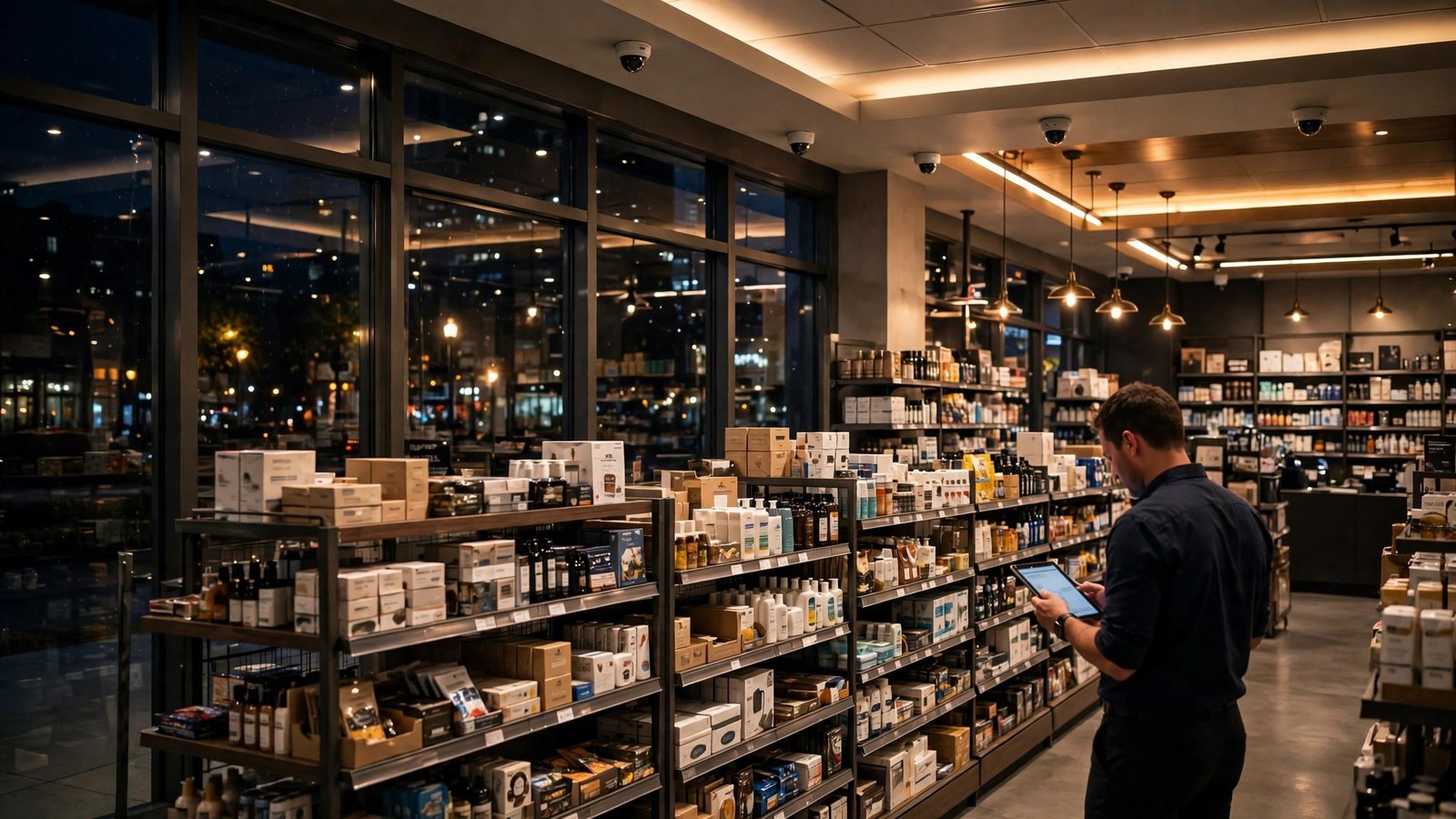
Solink Raises Over $100 Million to Turn Security Cameras Into AI Business Tools
Ottawa company Solink has raised more than $100 million in new funding, according to reports published on October 29, 2026. The round is a clear sign that investors still see room for practical AI, the kind that works with equipment businesses already own rather than asking them to buy a whole new system. Solink turns ordinary security cameras into sources of business data, and that simple idea has now attracted some very large backers.
The company says it will use the money to push further into AI vision intelligence, a field where video is analysed in real time and turned into information a manager can act on. For shops, restaurants, warehouses and other sites with cameras already on the walls, that shift matters. The cameras stay where they are. What changes is what the footage can tell you.
What Solink actually does
Solink describes its platform as AI vision intelligence. In plain terms, it takes video from existing security cameras and converts it into searchable, measurable events. Instead of someone watching hours of footage, the system can flag patterns, count activity and surface incidents that match rules a business sets.
That matters most in places with many locations. A retail chain, for example, can compare how different stores handle busy periods, check whether a display is stocked, or review a loss incident without travelling to the site. A warehouse operator can look for safety or workflow issues across a floor. A restaurant group can review service patterns during a rush.
The company reports that it manages more than 500,000 cameras across more than 35,000 customer locations in 65 countries. Those figures come from the funding announcement coverage, and they help explain why investors are interested: the platform does not need to sell cameras to grow. It grows by connecting to cameras that are already installed.
Who led the round and why it matters
The funding round was led by Vertu Capital, with participation from Growth Equity at Goldman Sachs Alternatives, Golub Growth and Comcast Ventures, according to the funding report. The mix of backers is telling. Growth equity investors tend to back companies that already have paying customers and a product that works, rather than an early idea still looking for its first users.
For Solink, that profile fits. The company is led by chief executive Mike Matta and sells to retail locations, restaurants, warehouses and other physical business environments. Those are sectors where managers care less about AI as a headline and more about whether it saves time, cuts losses or improves safety on a normal working day.
A round of this size also gives Solink room to hire, build and compete in a crowded AI vision space, without rushing to sell hardware or chase a single large customer.
What the money will fund
According to the funding announcement, Solink intends to use the funds to advance its AI roadmap, accelerate its expansion into AI vision intelligence and pursue strategic growth opportunities. In practical terms, that usually means three things: better models that can recognise more events with fewer false alarms, smoother tools for customers who run many sites, and more support for partners who install and manage the system.
It also points to a wider trend in business AI. The first wave of AI tools often lived on a laptop or in a chat window. The next wave lives in the physical world: cameras, sensors and machines that already exist in stores, factories and depots. The value comes from making that existing equipment smarter, not from replacing it.
Why camera AI is gaining ground now
Security cameras used to be a cost centre: you installed them, hoped you never needed the footage, and paid to store it. AI changes that calculation. If the same footage can also show staffing gaps, stock problems, safety risks or customer flow, the camera system starts to pay for itself in daily operations, not just in incident reviews.
There are limits, and honest coverage should name them. Video analysis raises privacy questions, especially where staff and customers are filmed. Businesses using these tools need clear rules about what is recorded, who can view it, how long it is kept and what it is used for. Canadian privacy law, workplace policies and customer expectations all shape what is acceptable, and they vary by province and by sector.
Accuracy matters as well. A system that cries wolf too often will be ignored. A system that misses real incidents will lose trust fast. That is why vendors in this space talk so much about reducing false alerts and giving managers evidence they can check, rather than a black box verdict.
What to watch next
The first test for Solink after this round will be whether growth in camera and location counts keeps pace with the larger funding. Investors will look for expansion into new sectors, deeper use by existing customers and progress on the AI roadmap the company described.
The second test is competition. Large security and cloud companies are adding similar video analysis features, sometimes bundled with cameras or storage. Solink will need to show that a software-first platform, working across camera brands, is easier to run at scale than a bundle tied to one vendor.
The third test is trust. As AI vision spreads into more workplaces, customers will ask harder questions about data handling, retention and access controls. Companies that answer those questions clearly, with settings managers can actually audit, will have an edge over rivals that treat privacy as an afterthought.
For Canadian tech, the round fits a busy October pattern: a Canadian company selling a practical tool worldwide, built on infrastructure its customers already own.
Frequently Asked Questions
What does Solink do?
Solink provides an AI vision intelligence platform that turns existing security cameras into real-time business intelligence sources. It converts video into actionable data to help drive revenue, reduce loss and improve safety across retail locations, restaurants, warehouses and other physical business environments.
How much did Solink raise and who led the round?
Solink raised more than $100 million in new funding, according to reports published on October 29, 2026. The round was led by Vertu Capital, with participation from Growth Equity at Goldman Sachs Alternatives, Golub Growth and Comcast Ventures.
How many cameras and locations does Solink manage?
According to the funding coverage, Solink manages more than 500,000 cameras across more than 35,000 customer locations in 65 countries. The platform works with cameras businesses already have installed, rather than requiring a full hardware replacement.



Post Comment