Tony Fadell Says the First AI Gadgets Failed Because Nobody Actually Needed Them
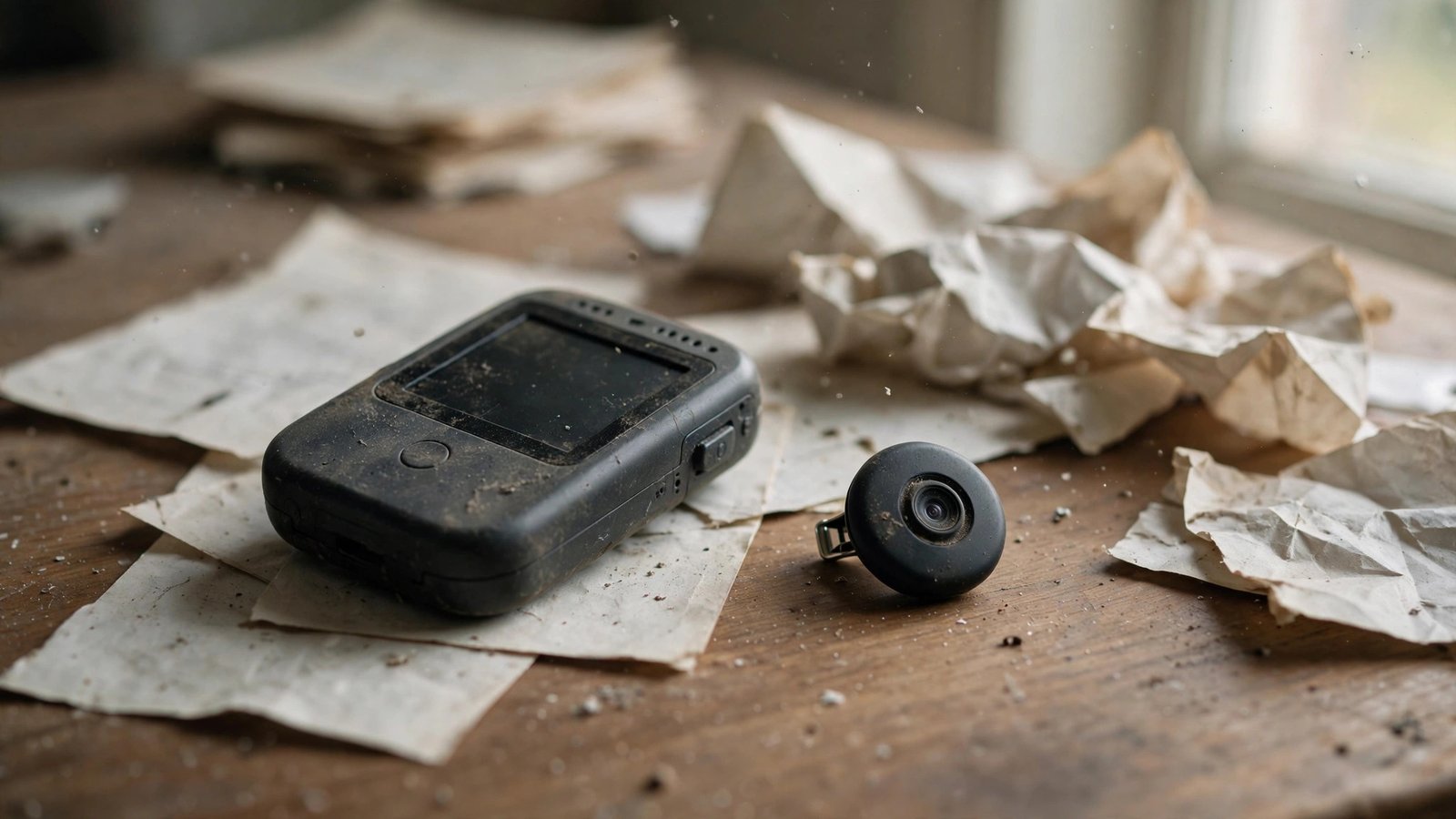
The man who helped create the iPod and founded Nest has delivered a blunt autopsy of the first wave of AI hardware. Speaking at the inaugural MIT Future Fest, Tony Fadell projected a slide with three devices that have already been discontinued: the Rabbit R1, the Humane AI Pin, and the Limitless pendant. His verdict was short.
"These were kind of the 'Gen 1' AI products," Fadell told the audience. "Because of my background, these companies called me and asked me to help them. I didn't."
Fadell, who co-created the iPhone and is credited as the father of the iPod, said each company approached him for advice and he turned them all down. His reason applies to far more than three gadgets: "You have to really understand what you're trying to do, what pain you're trying to solve. In each of these cases, each one of them didn't meet any kind of need. It was just interesting technology for geeks, and you're like, 'Okay, that's neat, but it doesn't really apply to my life.'"
What went wrong, device by device
Each of the three products failed in its own way, but the pattern rhymes. The Rabbit R1 arrived with genuine fanfare in early 2024, selling briskly at first on the promise of an AI that could operate apps for you. Reviews panned its sluggish performance and limited real-world usefulness, and the much-hyped "large action model" turned out to be thinner than advertised.
The Humane AI Pin faced even harsher criticism: overheating, poor battery life, and unreliable interactions, at a price point that asked consumers to pay $699 plus a monthly subscription for a screenless assistant. Humane's business ultimately collapsed.
The Limitless pendant, an AI note-taking wearable, was the quietest failure of the three, discontinued as the category it helped define moved on.
All three promised an always-available personal assistant. None delivered one people actually wanted to use, and the reviews across the board told the same story: interesting demo, rough reality.
The deeper problem: nobody knows what an assistant is
Fadell went deeper than product criticism. He argued the entire "AI assistant" pitch was built on a false assumption about consumers. "It's less than 0.01% of the world population that has ever had a human [assistant] do anything, and so when [companies] say, 'Oh, we want an assistant,' that's a bunch of people who have assistants saying it. Most consumers don't even know what an assistant is."
That is a genuinely provocative claim. Tech executives who have had chiefs of staff and executive assistants for years design products for people who share that experience. But for the 99.99% who have never delegated their calendar to another human, "AI assistant" is an abstraction. As Fadell put it, it took him a couple of years to learn how to use a human assistant well and then to trust one with sensitive data. Delegation is a skill, and most consumers never had the chance to learn it.
The second missing ingredient is trust. Fadell argued that even a working AI assistant fails if people do not trust it with their data. "Even if you hire a person as an assistant, you do not hand over access to your bank account on the first day," he said. Complete security has to be a prerequisite, not a patch added later.
Why this matters right now
Fadell's comments land at a telling moment. Amazon just launched the Bee Frontier and Eclipse, always-listening AI wearables pitched at note-taking rather than full assistant duties. Apple shipped Siri Recap on the Apple Watch. The industry is converging on exactly the narrow use case Fadell's critique implies the first wave missed: solve one concrete pain, earn trust incrementally, then expand.
Fadell also named Apple as one of the few companies potentially capable of building a trustworthy AI assistant, since Apple controls the hardware, chips, and ecosystem. His caveat was pointed: Apple "doesn't have all the AI stuff." Whether the new Siri AI on the HomeView smart hub proves him wrong is the industry's most interesting test over the next year.
For founders and product builders, Fadell's talk works as a permanent gut check. Buzz is not demand. A product can generate a thousand launch-day articles and still die if the customer cannot answer one question within ten seconds: what does this do for my Tuesday? The first generation of AI gadgets could not answer it. The second generation's homework is clear.
Frequently Asked Questions
Which AI gadgets did Tony Fadell say failed?
Fadell named three discontinued devices as 'Gen 1' AI products: the Rabbit R1 handheld AI device, the Humane AI Pin wearable, and the Limitless pendant. He showed them on a slide during his talk at the inaugural MIT Future Fest in early October 2026.
Why did Tony Fadell say the first AI gadgets failed?
He argued they solved no genuine consumer need and were aimed at tech enthusiasts rather than everyday users. He also said most consumers have never employed a human assistant, so the 'AI assistant' pitch lacked a frame of reference, and that the devices failed to earn user trust with sensitive data.
What did Tony Fadell say about Apple building an AI assistant?
Fadell said Apple is one of the few companies that could potentially build a trustworthy AI assistant because it controls the hardware, chips, and ecosystem, but added that Apple "doesn't have all the AI stuff" yet.




Post Comment