Preventative Health Smartwatches: Hype or Actually Helpful?
Your watch wants to be your doctor now. Modern smartwatches do not just count steps: they monitor your heart rhythm around the clock, estimate blood oxygen, track sleep stages, measure heart-rate variability, and some will tap your wrist if they spot something unusual. The marketing promises early warnings before illness strikes. The question is whether a preventative health smartwatch actually delivers on that promise, or whether it mostly delivers anxiety. The honest answer is a mix of both.
What these watches can legitimately detect
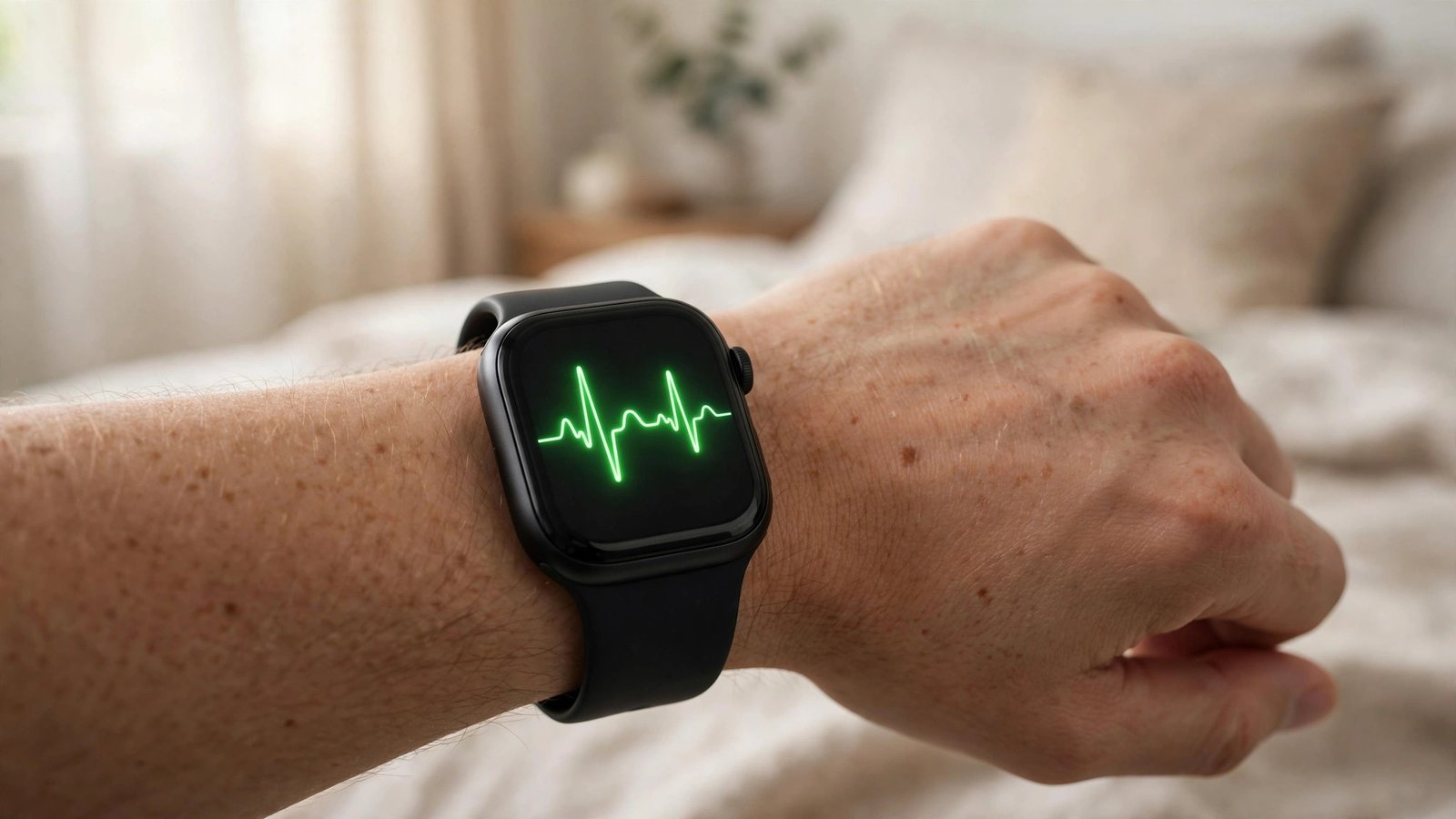
The strongest evidence is in heart-rhythm monitoring. Apple Watch models with ECG capability are FDA-cleared to record an electrocardiogram and to notify wearers of irregular rhythms suggestive of atrial fibrillation, a common and often silent heart condition. Large-scale studies, including the Apple Heart Study conducted with Stanford, found that these notifications frequently led to real AFib diagnoses in people who had no symptoms. That is genuinely preventative: catching a stroke risk factor before the stroke.
Fall detection and crash detection are quieter wins. Watches can now recognize hard falls and car crashes, then call emergency services if you do not respond. There are documented cases of these features summoning help for people who could not reach a phone. It is not disease prevention in the classic sense, but it is prevention of worse outcomes, and it works.
Sleep and recovery tracking sit in the middle. Watches are good at measuring sleep duration and reasonable at sleep stages, and trends in resting heart rate and heart-rate variability can reflect training load, illness onset, or chronic stress. Many users report noticing they were getting sick a day before symptoms appeared because their resting heart rate climbed. That is useful signal, even if it is not a diagnosis.
Blood oxygen sensing is the weakest link for prevention. Overnight SpO2 trends can flag possible sleep apnea patterns, which is valuable, but spot readings during the day are noisy and hard to interpret. Treat it as a screening hint worth discussing with a doctor, not as a vital sign you should watch obsessively.
Where the hype outruns the evidence
No consumer preventative health smartwatch diagnoses disease, and the marketing sometimes blurs that line. An irregular-rhythm notification is a prompt to see a doctor, not a diagnosis of AFib. Many notifications turn out to be nothing, particularly in young, healthy users where the underlying condition is rare. False positives are the price of sensitive screening, and that price is paid in worry and unnecessary clinic visits.
The "early illness warning" features deserve skepticism. Some watches now claim to estimate when you are getting sick based on deviations in your biometrics. The underlying idea has research support, but the implementations are black boxes with unclear accuracy. A watch telling you "your body is under strain" when you already know you slept badly adds little.
There is also the anxiety problem, which cardiologists have flagged for years. A subset of users becomes fixated on every heart-rate fluctuation, generating stress that is itself bad for the heart. If checking your watch makes you calmer and more informed, great. If it makes you check your pulse forty times a day, the device is harming the thing it claims to protect. The healthiest relationship with health data is periodic review, not constant surveillance.
How to use a preventative health smartwatch wisely
First, know your baseline. The real power of continuous tracking is not any single reading but your personal trends over weeks and months. A resting heart rate of 62 means nothing in isolation; a resting heart rate that climbs from 58 to 68 over two weeks while your sleep falls apart means something. Give the watch a month of consistent wear before judging its insights.
Second, treat alerts as information, not emergencies. An irregular rhythm notification deserves a timely doctor visit, not a panicked ER trip at midnight unless you have symptoms like chest pain or fainting. The watch is a screening tool. Your doctor is the diagnostic tool.
Third, focus on the boring metrics. Sleep duration, daily movement, and resting heart rate trends influence your health far more than any exotic sensor. The people who benefit most from these watches are the ones who use the data to sleep more, move more, and drink less, not the ones chasing the newest biomarker.
Finally, keep perspective on privacy. Health data is intimate, and you should know where yours goes. Prefer brands with clear on-device processing and transparent privacy policies, and think twice before granting third-party apps access to your health records.
So, hype or helpful? Genuinely helpful, with hype around the edges. The cardiac monitoring and fall detection have real evidence behind them. The illness-prediction claims are softer. Used as a trend-watcher and early-warning nudge rather than a pocket physician, a preventative health smartwatch earns its place. Just remember the golden rule of all health tech: the watch suggests, the doctor decides.
Can a smartwatch really detect heart problems?
It can flag possible issues, particularly irregular heart rhythms like atrial fibrillation, and FDA-cleared features on major watches have led to real diagnoses in studies. But a watch cannot diagnose heart disease. Any concerning alert should be followed up with a medical professional and proper clinical testing.
Should I worry about every health alert my watch sends?
No. Consumer sensors produce false positives, especially in young healthy people where serious conditions are rare. Treat alerts as a reason to pay attention and possibly check in with your doctor, not as emergencies. If you feel fine and get an occasional odd reading, note it and move on rather than spiraling.
Is it worth buying a smartwatch mainly for health tracking?
If you will wear it daily and engage with the trends, yes: the heart, sleep, and activity data is genuinely useful for building healthier habits. If you want it as a medical safety net, understand its limits first. The best health feature of any watch is still the one that gets you walking more and sleeping better.