AI Hearing Glasses: How They Work and Who They’re For
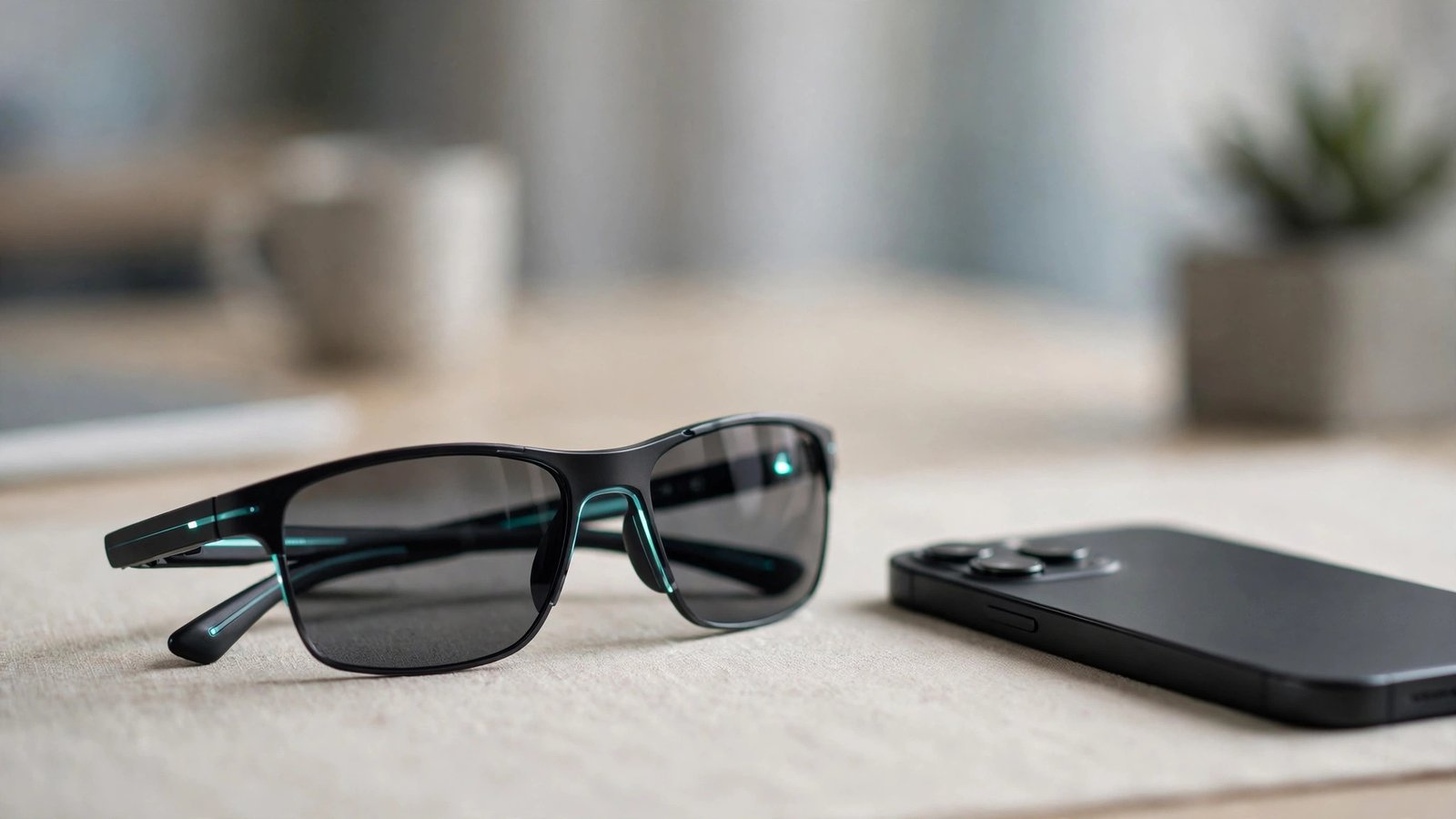
Conversations in noisy restaurants used to be a losing battle for millions of Americans with mild hearing loss. You smile, you nod, you catch every third word. AI hearing glasses are trying to change that by packing directional microphones, open-ear speakers, and real-time sound processing into frames that look like ordinary eyewear. No bulky earpieces, no stigma, just glasses that help you hear the person across the table.
The idea sounds simple, but the engineering is genuinely interesting. Here is how the technology works, who it actually helps, and where it still falls short.
How AI hearing glasses work
A pair of AI hearing glasses does three jobs at once. First, tiny microphones built into the frame pick up the sound around you. Most designs use several microphones so the system can tell which direction a voice is coming from. Second, an onboard chip runs noise-reduction software that separates speech from background clatter. This is the "AI" part: the software has been trained to recognize human voices and push them forward while pushing restaurant noise, traffic, and wind back. Third, small speakers near your temples play the cleaned-up sound into your ears without blocking them. Your ear canals stay open, so you still hear the room naturally.
Many models add a phone app for fine-tuning. You can usually adjust how aggressive the noise reduction is, switch between modes like "conversation" or "outdoor," and sometimes aim the focus in a particular direction. Many also handle calls, music, and voice assistants.
One thing worth understanding: these are not prescription hearing aids in a new shape. In the US, most hearing glasses sit in the over-the-counter or personal-sound-amplification category. After the FDA opened the door to over-the-counter hearing aids in 2022, the market for self-fit hearing help grew fast, and glasses are riding that wave. They are built for mild to moderate difficulty hearing, not for severe loss.
Who benefits most from AI hearing glasses
The clearest winners are people with mild hearing loss who refuse to wear traditional hearing aids. And that is a huge group. Surveys have long shown that most Americans who could benefit from hearing help never get it, often because they dislike how hearing aids look or feel. Glasses sidestep that entirely. If you already wear specs, the change is invisible to everyone else.
They also shine in specific situations rather than all-day wear. Think business lunches, family dinners, meetings, lectures, and places of worship: anywhere one voice matters and background noise gets in the way. For many, this situational use is the real value: not the TV at home, but the client across a noisy table.
Older adults who struggle with tiny hearing-aid batteries and fiddly controls are another natural audience. Glasses charge on a stand or with a standard cable, the controls are usually a tap on the temple, and there is nothing to lose down a couch cushion. If your parent keeps "forgetting" their hearing aids, glasses they already wear every day solve the compliance problem by accident.
That said, anyone with severe or profound hearing loss should see an audiologist instead. Glasses cannot match the raw amplification power of a fitted medical device, and untreated serious loss deserves professional care. AI hearing glasses are a bridge, not a replacement for clinical treatment.
What to look for before buying
Start with fit and comfort, because you will wear these for hours. Heavy frames press on the nose and ears, and no amount of clever audio matters if you take them off after twenty minutes. Look for adjustable nose pads, reasonable weight, and a style you would actually wear in public.
Battery life is the next practical question. Streaming processed audio all day drains power, so check the rated talk or hearing-assist time, not just standby. Most current models need a nightly charge, which is fine if that matches your routine, less fine if you hoped for multi-day use.
The app matters more than marketing suggests. Good companion software lets you tune the sound profile, save presets for different environments, and update the firmware. We would favor glasses with an app that gets regular updates, since the noise-reduction algorithms genuinely improve over time.
Also check the trial and return policy. Hearing is personal, and what works in a demo may not work in your daily life. A 30-day or longer home trial is a strong sign the company stands behind the product. And if you wear prescription lenses, confirm the frames accept your prescription or that the company offers lens fitting, because that affects the total cost and convenience.
The honest limitations
No product this new is without trade-offs. Wind noise remains a weak spot for frame-mounted microphones, so cyclists and golfers may be disappointed outdoors. Battery life, as noted, means daily charging. Prices sit above ordinary smart glasses, and insurance rarely covers them since most are not classified as medical devices.
Privacy deserves a mention too. These glasses carry microphones that are always ready, which makes some people uneasy in private conversations. Look for clear indicator lights and simple mute controls, and check how voice data is handled before you buy.
Keep expectations realistic about the "AI" label. Noise reduction impresses in steady background noise like air conditioners, but struggles with sudden sharp sounds or overlapping voices. It helps a lot; it does not give you superhuman hearing.
AI hearing glasses make the most sense as a first step. They lower every barrier, cost, stigma, hassle, that keeps people from addressing mild hearing trouble. If they get someone hearing clearly years earlier than they otherwise would, that is a genuine win.
Are AI hearing glasses the same as hearing aids?
No. Traditional hearing aids are regulated medical devices fitted to your specific hearing loss, often by an audiologist. Most AI hearing glasses are consumer electronics with sound-amplification and noise-reduction features. They help with mild difficulty hearing but are not a substitute for a prescribed device when loss is significant.
Can I get them with my prescription lenses?
In many cases, yes. Several manufacturers design their frames to accept standard prescription lenses through an optician, and some offer in-house lens fitting. Confirm this before ordering, since it affects both price and how soon you can start using them comfortably.
How much do AI hearing glasses cost?
Prices vary widely by brand, features, and whether prescription lenses are included. They generally cost more than basic smart glasses but less than premium prescription hearing aids. Because models and pricing change often, compare current retail listings and factor in the trial period and warranty when judging value.