“AI Data Centers vs the Environment: What’s Really Happening”
The AI boom has a physical footprint, and communities are starting to push back. Finnish authorities recently ordered Google to halt preparatory work at two planned data center sites over environmental concerns, a remarkable rebuke of one of the world's most powerful companies. It's not an isolated incident. Around the world, the AI industry's insatiable demand for electricity and water is colliding with local environments and the people who live near them. The AI data center environment debate is becoming one of tech's defining battles.
AI's Growing Appetite for Power
Let's put the scale in perspective. A single large AI data center can consume as much electricity as a small city. Training one frontier AI model uses power on a scale that would have been unthinkable for a computing project a decade ago, and the industry is building dozens of such facilities simultaneously.
The growth curve is what's alarming regulators. AI data center environment concerns aren't about today's power use, they're about the trajectory. Every major tech company has announced multi-billion-dollar data center expansions, and local grids in many regions simply weren't designed for this kind of load.
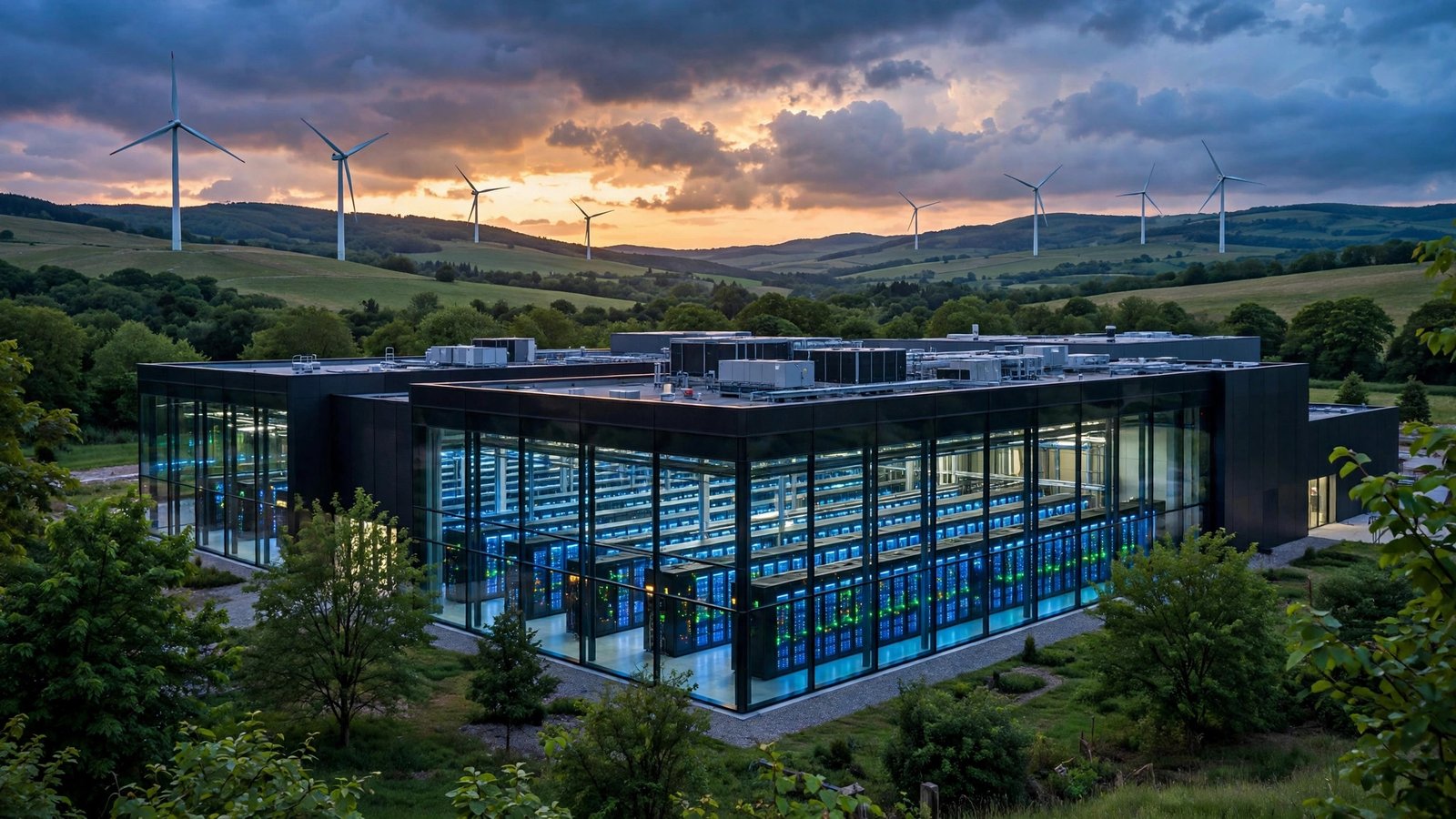
Water is the quieter crisis. Data centers use enormous volumes of water for cooling, often in areas already facing scarcity. A facility's electricity can come from distant wind farms, but its cooling water comes from local rivers and aquifers. That's why opposition is fiercest in communities being asked to share their water with server farms.
The Finland Decision
Finland's move against Google is significant because of who it targets and what it signals. This isn't a small town blocking a startup. It's a national authority telling one of the world's largest companies to stop work at two planned sites. The message to the industry: environmental approval is not a rubber stamp.
The concerns reportedly center on the environmental impact of the planned facilities, the kind of review that weighs energy use, water consumption, and ecological effects against economic benefits. Data centers bring jobs and investment, but far fewer jobs than a factory of comparable size, which weakens the usual political case for approval.
Watch whether other countries follow. Regulatory decisions are contagious, especially in Europe, where environmental review processes are robust and public opposition to large industrial projects is organized. If Finland's stance holds, expect similar challenges in other markets where tech giants are expanding.
AI Data Center Environment: Why the Fight Is Escalating
Three trends are colliding. First, AI models keep getting bigger, and bigger models need more computing power. The industry's fundamental dynamic, more scale equals better AI, has no natural stopping point.
Second, the easy sites are taken. The first wave of data centers claimed locations with abundant power and water. New facilities increasingly compete for constrained resources, which means more friction with communities and regulators.
Third, public awareness is catching up. A few years ago, almost nobody thought about where ChatGPT's answers came from physically. Now data centers are local news, with residents asking pointed questions about their utility bills, their water supply, and what their town gets in return.
The industry's response has been a mix of genuine effort and public relations. Tech giants are signing massive renewable energy deals and experimenting with advanced cooling. Those efforts are real, but they don't change the underlying math: AI needs far more power than the industry used before, and that power has to come from somewhere.
What Communities Are Asking For
The opposition isn't really about stopping AI. Most communities would welcome a data center that pays its way. The friction comes from deals that feel one-sided: a facility that strains the grid, drinks the water, and employs a few dozen people while the profits flow to shareholders thousands of miles away.
That's why the emerging model is negotiation, not rejection. Communities are asking for binding commitments on renewable power, water recycling, and local investment. Some are demanding that data centers contribute to grid upgrades rather than just consuming capacity. These are reasonable asks, and the industry is slowly learning to say yes.
The Finland case fits this pattern. Regulators didn't declare war on computing. They looked at specific proposals, weighed the environmental costs, and said not like this. That's a healthier dynamic than either rubber-stamping everything or blocking everything, and it's probably the template for how this gets resolved.
What Happens Next
Several paths are emerging. One is geographic: building data centers where power and water are abundant and opposition is low, from the Nordic countries to remote desert sites with solar potential. Another is technological: more efficient chips, better cooling, and AI models that do more with less compute.
The most radical option is leaving Earth entirely. Google's Project Suncatcher is testing AI computing in orbit, where solar power is constant and cooling means radiating heat into space. It sounds like science fiction, but it shows how seriously the industry takes its energy problem.
Our take: the Finland decision won't stop the AI buildout, but it marks a turning point in the AI data center environment debate. The era of frictionless data center expansion is ending. From here on, every new facility is a negotiation with the community hosting it, and communities are learning they have leverage. That's probably healthy, even if it slows things down.
Why did Finland halt Google's data centers?
Finnish authorities ordered Google to stop preparatory work at two planned data center sites over environmental concerns. The decision reflects growing scrutiny of AI data centers' electricity consumption, water use, and ecological impact.
How much power do AI data centers use?
A single large AI data center can consume as much electricity as a small city, and the industry is building many such facilities at once. Exact figures vary by site, but AI training and inference at scale represent some of the most power-intensive computing ever deployed.
Are tech companies doing anything about the environmental impact?
Yes, to a degree. Major companies are signing large renewable energy deals, investing in more efficient chips and cooling systems, and exploring alternatives like orbital computing. Critics argue these efforts don't keep pace with the sheer growth in AI's energy demand.